
Sector 02 / 08
Education, Skills & Human Capital
The challenge
Learning systems must produce skills for changing economies.
Evidence and innovative strategies for policies that foster inclusive growth and educational reform.
In many ways and at most institutional sites, education is still relatively untouched by technology. Changes sometimes seem insignificant and the results disappointing. We make the case for the transformative power of technology in learning — and test it, cost it and appraise it before money is committed.
Our education work runs from primary schools to madrasahs, technical and vocational training and the management of the programs that fund them.
Five stages of a learning system, each one appraised.
Each step names an assignment on the record. Together they cover the ladder from the first classroom to the skills a changing economy needs.
National priorities · ADB guidelines
Classrooms · skills institutions
Appraised learning investments
Conceptual model · read the method alongside
Read at your own pace. All steps remain available.
01 / 05 · Primary
Appraising digital learning for primary schools
Feasibility for NextGen primary education in Bangladesh for the Asian Development Bank, including the technical feasibility and cost-benefit models for digital and AI-powered learning and assessment.
02 / 05 · Secondary
Appraising secondary and madrasah education
Economic and financial feasibility for new secondary and madrasah education projects, with market analysis, cost-benefit assessment, risk modeling and an evaluation of institutional capacity, aligned with national development priorities and ADB guidelines.
- ENPV and FNPV, EIRR and FIRR and benefit-cost ratios
- Scenario-based sensitivity analysis
- Excel models and narratives for Planning Commission-format feasibility reports
03 / 05 · Madrasah
Costing a modern madrasah education
Technical, financial and institutional feasibility for secondary and higher-secondary madrasah education, including costed plans for ICT labs, science labs and solar learning environments.
04 / 05 · Skills
Building the investment case for skills
Economic and financial appraisal, costing and financing analysis for technical and vocational education and training, including sections of a Planning Commission-compliant feasibility report.
05 / 05 · Systems
Management that can deliver the program
An assessment of management capacity in ADB’s education and skills programs (SESIP, SEIP): consultation synthesis and an assessment of institutional capacity and government systems.
- Training government officials and institutional leaders in policy formulation and implementation
- Tools and methodologies for continuous learning and improvement
From a pilot to a program that lasts.
01
Program design and scaling
- Program frameworks aligned with policy and development goals
- Theory of Change and logical frameworks to guide design
- Sustainability, scalability and impact measurement built into program planning
- Support for pilot programs and their transition to full-scale implementation
02
Economic and financial feasibility
- Economic and financial modeling to evaluate project viability and potential returns
- Cost-benefit analysis and financial forecasting for public and private investment
- Strategic financial planning, including long-term investment roadmaps and funding strategies
03
Evaluation built for education
Targeted evaluation approaches for key sectors, education among them, aligned with regional priorities and national policies — combining econometric and statistical analysis with qualitative methods such as Most Significant Change and participatory research.
04
Digital proficiency
Training programs for public officials, policymakers and private-sector stakeholders on using digital tools effectively.
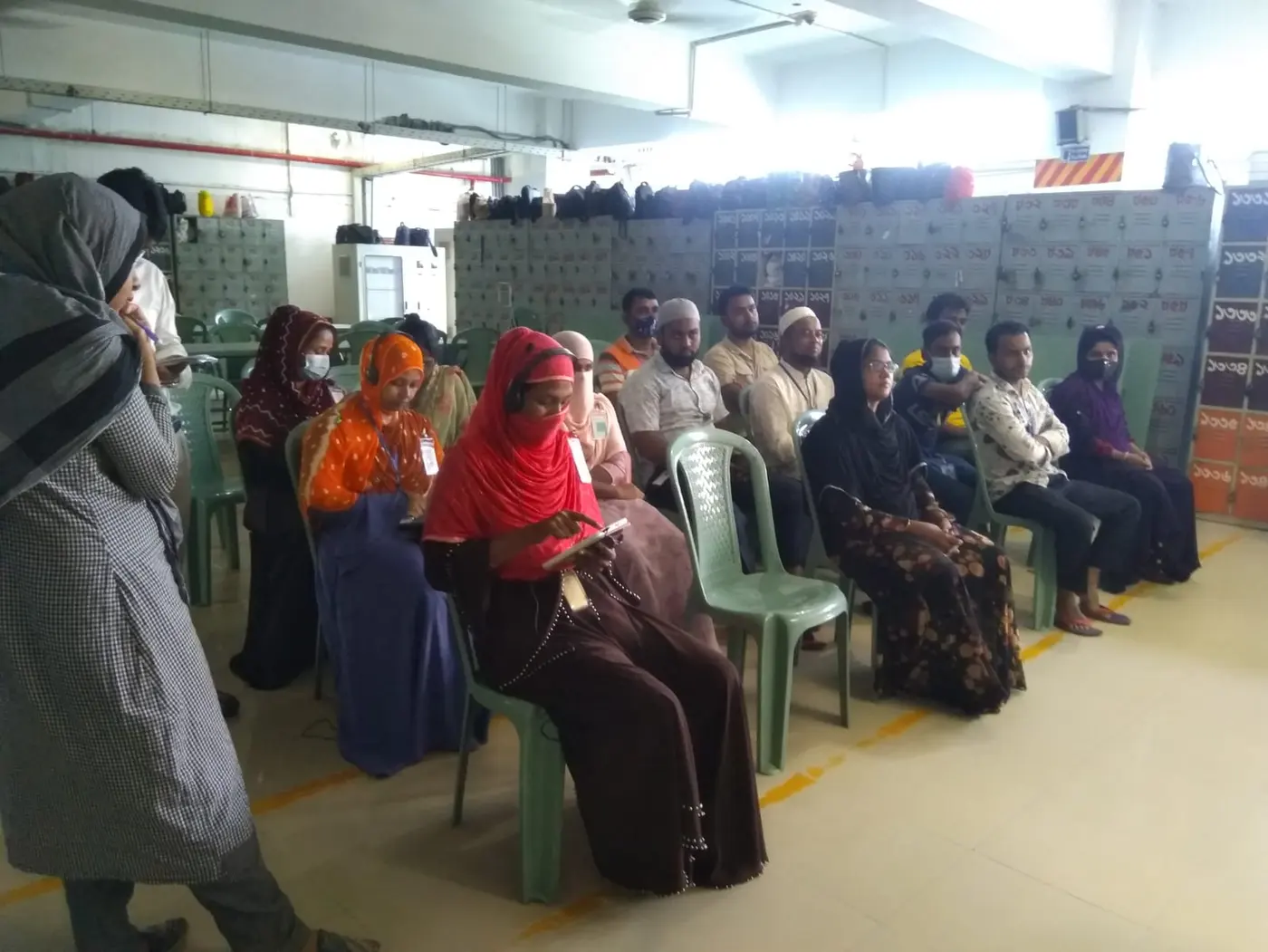
Training rooms, workshops and cohorts.
Photographs from IP3’s training and workshop sessions. Captions say only what each photo shows.
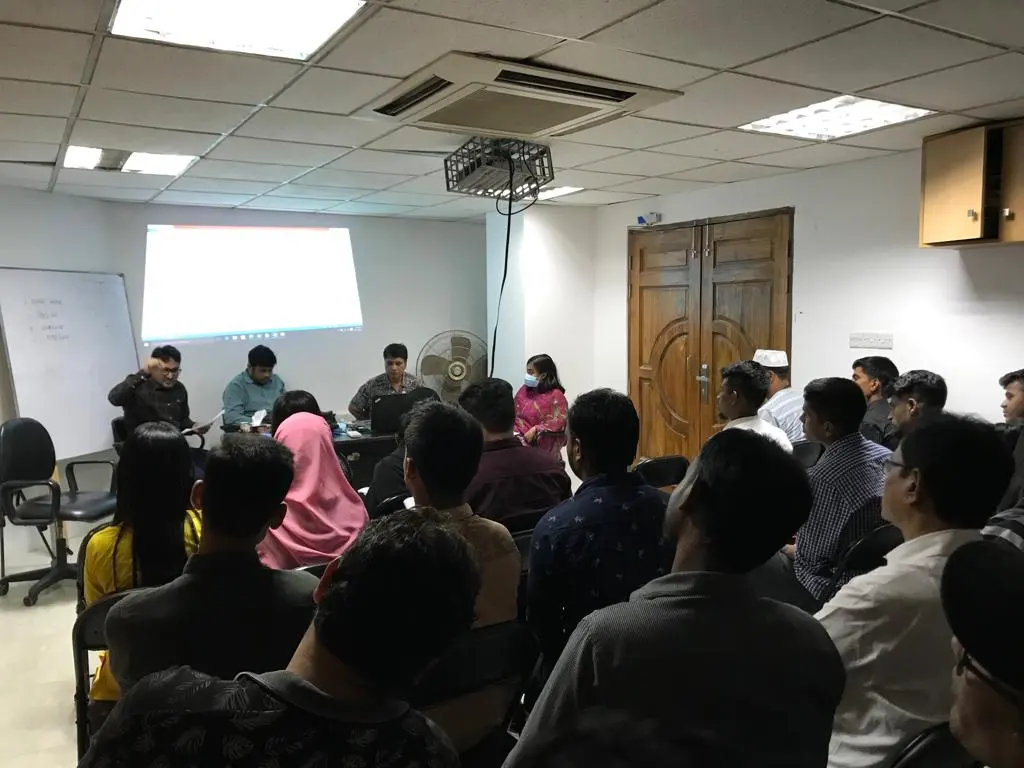
Photo 01A training class facing a projected slide 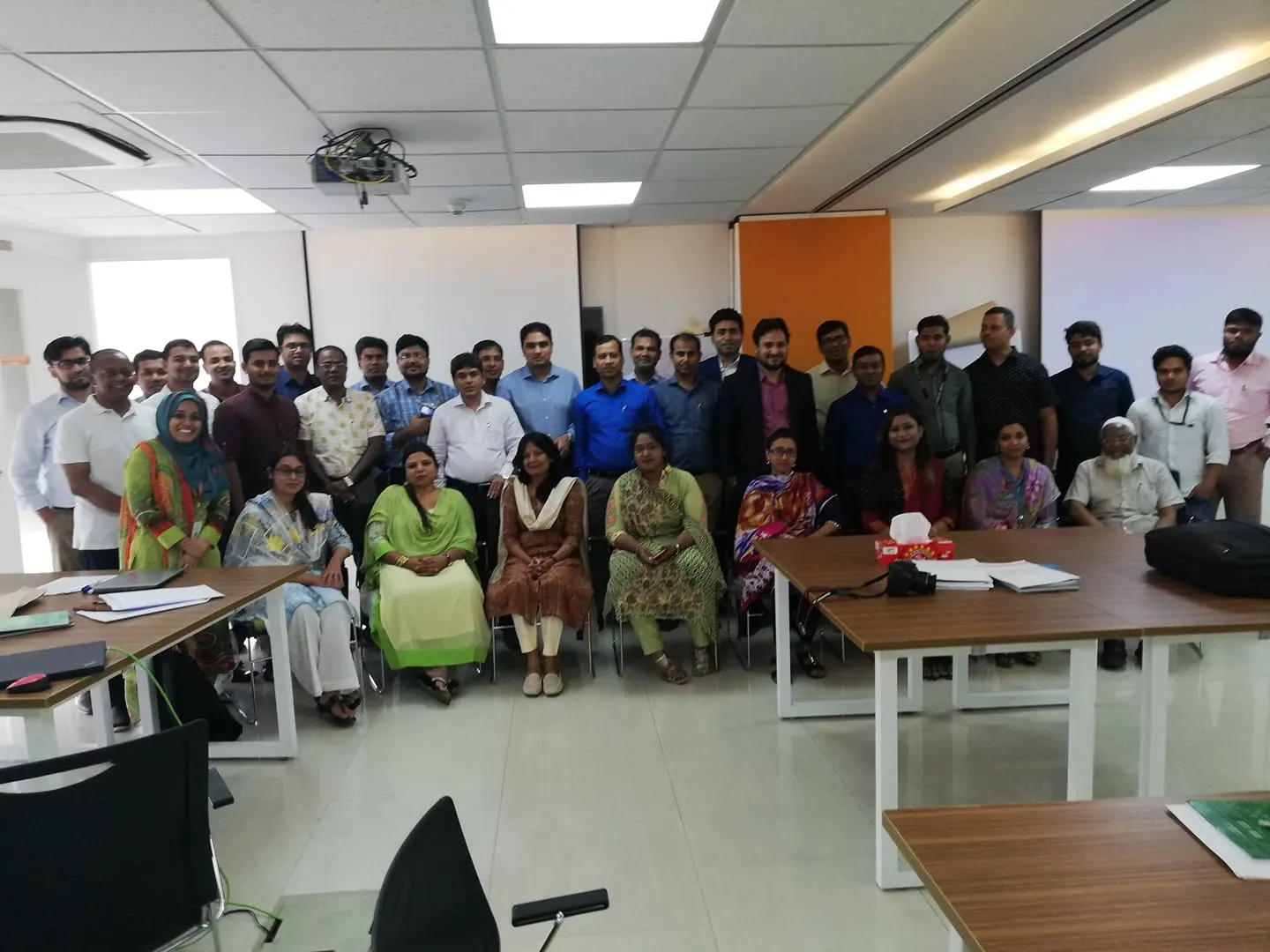
Photo 02A training cohort, 2018 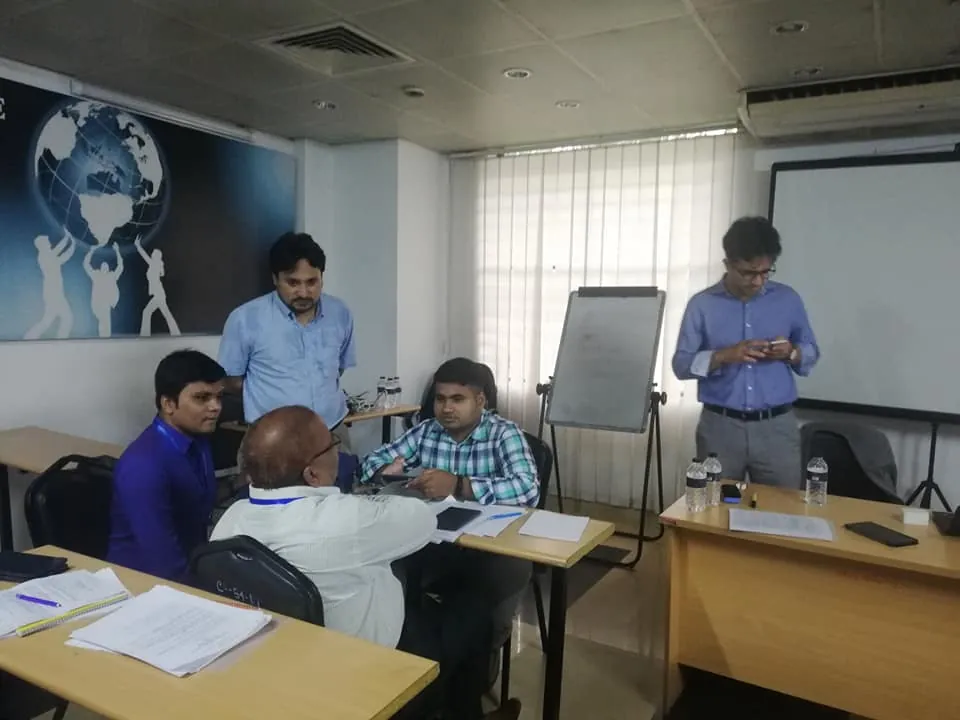
Photo 03A training session with a flip chart 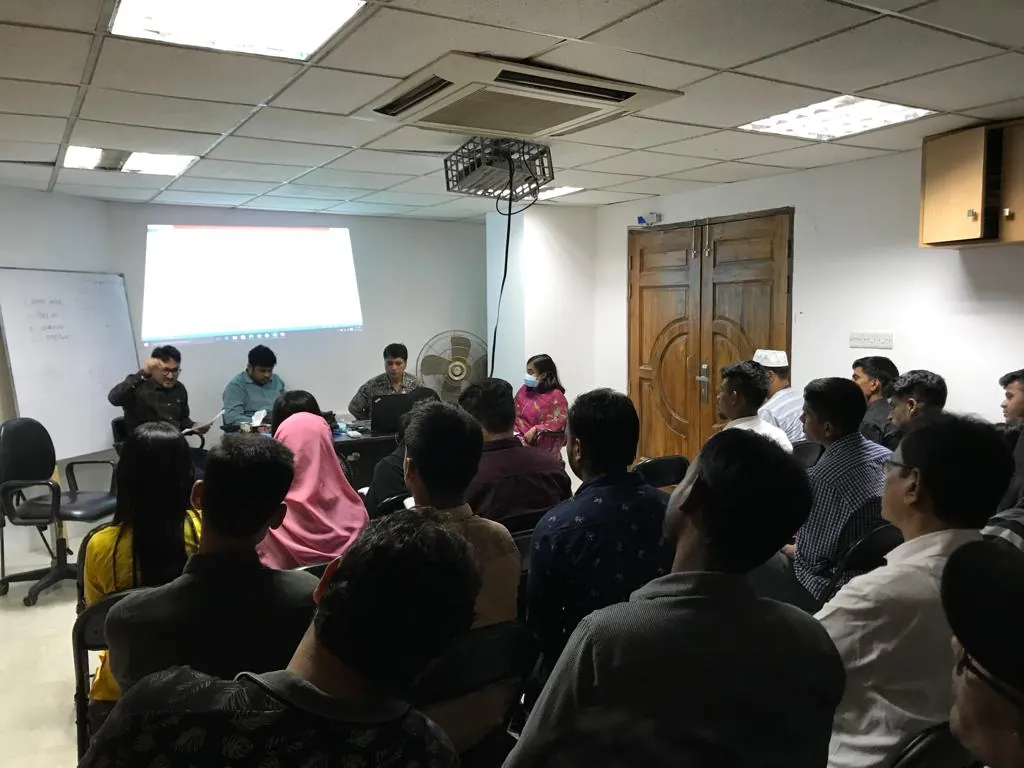
Photo 04Trainers at the front desk under a projected screen
Education and skills assignments, as documented.
Each record comes from the founder’s signed CV and portfolio, with the CV’s dates. The outcome of the studied projects is not part of these records.
05 documented assignments
-
01Jan 2022 – Dec 2023
Asian Development Bank
New Secondary and Madrasah Education Projects in Bangladesh
Appraising secondary and madrasah education. ENPV and FNPV, EIRR and FIRR and benefit-cost ratios with scenario-based sensitivity, built as Excel models and narratives for Planning Commission-format feasibility reports. Open the full record -
02Jan 2025 – ongoingCurrent
Asian Development Bank
NextGen Secondary Education Program — Secondary and Higher Secondary Madrasah Education
Costing a modern madrasah education. Technical, financial and institutional feasibility for secondary and higher-secondary madrasah education, including costed plans for ICT labs, science labs and solar learning environments. Open the full record -
03Jan 2024 – Dec 2024
Asian Development Bank
NextGen Secondary Education Program — Technical and Vocational Education and Training
Building the investment case for skills. Economic and financial appraisal, costing and financing analysis for technical and vocational education, including sections of a Planning Commission-compliant feasibility report. USD 44.108M programme budget in scope Open the full record -
04Jun 2022 – Oct 2023
Asian Development Bank
NextGen Primary Education Projects in Bangladesh
Appraising digital learning for primary schools. Feasibility for NextGen primary education in Bangladesh, including the technical feasibility and cost-benefit models for digital and AI-powered learning and assessment. Open the full record -
05June 2020
Asian Development Bank
Capacity Building of Management in Education and Skills Programs (SESIP, SEIP)
Capacity building of management in education and skills programs (SESIP, SEIP) Assessment of management capacity in the Asian Development Bank’s education and skills programs (SESIP, SEIP): consultation synthesis and an assessment of institutional capacity and government systems. Open the full record
Where we add value.
- 01Education policy & financing
- 02TVET & skills systems
- 03Learning outcomes
- 04Institutional reform
- 05Human-capital analytics
IP3 brings economics, finance, institutional analysis, technology and implementation expertise together around this sector — so that analysis arrives as a decision, and a decision as delivery.
The capabilities behind this sector work.
Policy, Economics & Strategy Advisory
We need to understand the problem and choose a defensible course of action.
02Program & Project Design
We have a mandate or funding window but need an implementable program.
05Monitoring, Evaluation, Learning & Impact
We need to know what is working, why, for whom, and whether it can scale.
06Data, Digital & Responsible AI
We need to modernize systems without creating new governance, exclusion or accountability risks.
Selected work in this sector.
Capabilities applied
- Policy, Economics & Strategy AdvisoryPolicy studies, economic appraisal, regulatory reform and sector strategies.
- Program & Project DesignFeasibility, project preparation, theories of change and implementation planning.
- Monitoring, Evaluation, Learning & ImpactBaseline and endline studies, process and impact evaluations, and MEL systems.
- Data, Digital & Responsible AIDigital government strategy, data governance, digital public infrastructure and AI readiness.
Engagements
All engagementsExplore analytical questions in this sector
Illustrative models show how analytical questions can be explored through interactive scenarios and visual outputs.
Tell us the mandate you need to deliver.
Whether you are preparing a new program, assessing an investment, designing a reform, commissioning an evaluation or assembling a consortium, IP3 can help define the analytical and implementation support required.