
Policy, feasibility & development advisory services.

IP3 Consulting supports development partners, government institutions and investors with feasibility studies, policy and economic advisory, climate-finance project preparation, baseline surveys and evaluation, institutional reform, and responsible digital transformation. Explore our capabilities and selected assignments to identify the evidence, design or implementation support your project needs.

The record behind the work

20Years of the founder’s professional experience
37Documented assignments shown here, of 100+ projects
12World Bank Group assignments (10 World Bank, 2 IFC)
7Asian Development Bank assignments
10Countries in the scope of the current ADB technical assistance

Assignments led or supported by IP3’s founder, taken from a signed CV and listed below. Contracting routes vary and are named on each record. Country count is scope, not presence.

Clients and funders our team has worked with

  • World Bank
  • IFC
  • ADB
  • SIDA
  • WTO
  • European Commission
  • Asian Development Bank
  • PwC
  • Payra Port Authority
  • Bangladesh Municipal Development Fund
  • ICF International
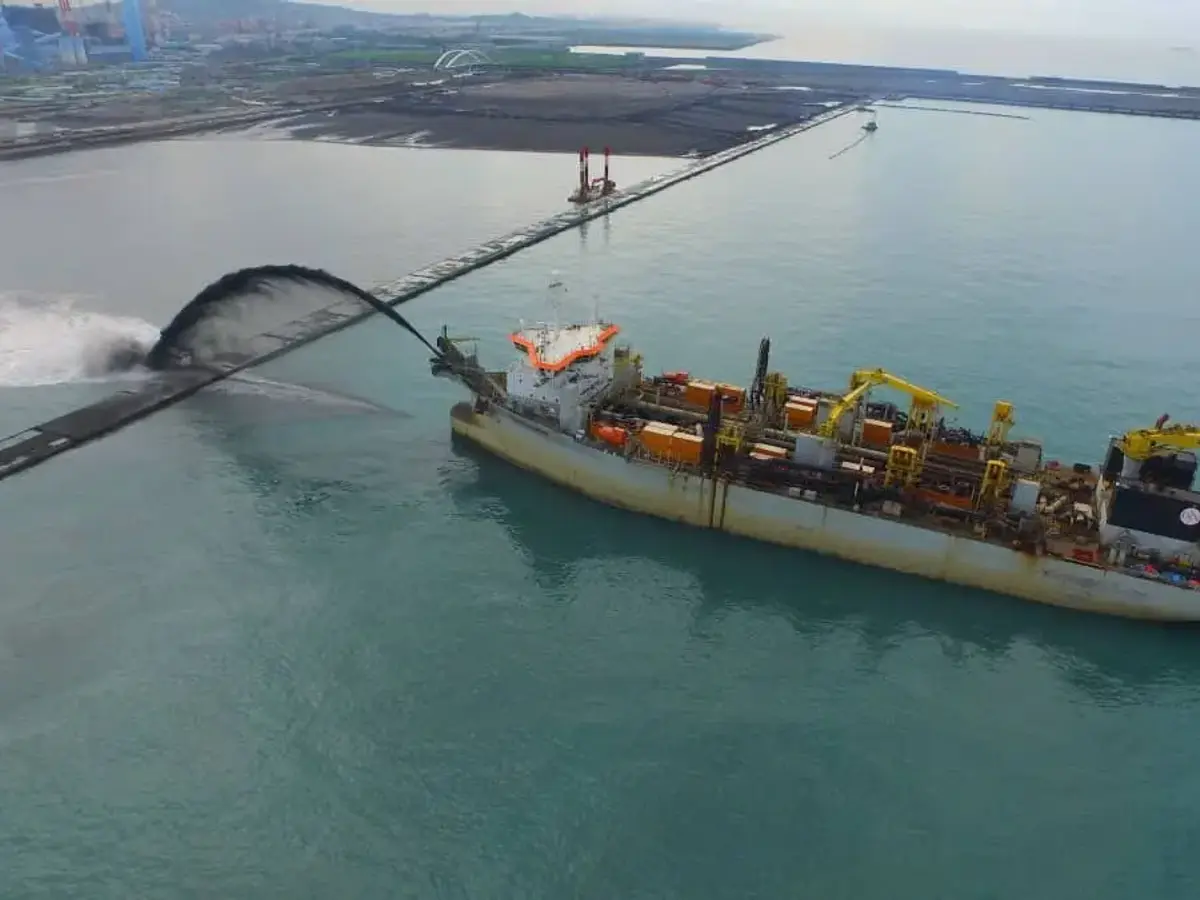
  • SODEV
  • BUILD
  • Prokaushali Sangsad Ltd
Founder-led, expert-backed

The people behind the work.

The assignments on this page were led or supported by IP3’s founder for development banks, governments, bilateral donors, foundations and firms. IP3’s network of economists, policy specialists and sector experts joins as each brief requires.

Founder

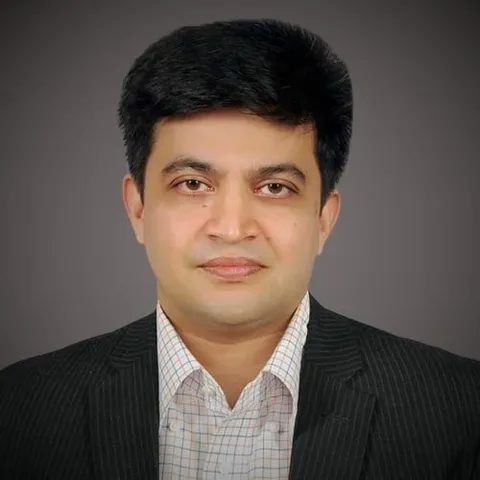
Mohammad Syful Hoque

Executive Chairman

Economist and costing and financing specialist with 20 years of professional experience in program costing, economic and financial analysis, feasibility assessment, financial modelling, financing strategy, sensitivity analysis, M&E and scale-up planning for World Bank, ADB, IFC, government and other development-partner programs.

MSc in Economics, University of Surrey; MSS and BSS in Economics, University of Dhaka.

Source: founder’s CV, signed 09/09/2026.

Read the full profile
Six capabilities

Each one backed by assignments you can inspect.

Open any capability to see what it includes. Under each one sit the assignments, meetings and films that show it in practice.

Policy studies, economic appraisal, regulatory reform and sector strategies.

Policy, Economics & Strategy Advisory

“We need to understand the problem and choose a defensible course of action.”

Policymakers often struggle to turn ambitious visions into results. We bridge that gap by building people-centric and planet-conscious thinking into economic and development policy, and by turning rigorous evidence into policies that governments, donors and organizations can act on.

Often commissioned to

Choose an implementable reform

Commissioned by

Multilateral 8Bilateral / EU 3Research institute 2Private sector 2Foundation / NGO 1

Typical deliverables

DiagnosticsModelingPolitical-economy analysisRegulatory reviewsSector strategiesFiscal and cost-benefit analysisReform road maps

Applied most in

What this includes5
Policy Development

Forward-looking policy built on diagnosis, not symptoms.

  • Root-cause analysis of public challenges, using data-driven methods and systems thinking.
  • Stakeholder-inclusive frameworks co-created with government, the private sector and civil society for greater legitimacy and impact.
  • Adaptable policy models that align global good practice with local realities and long-term economic, social and environmental sustainability.
Regulation

We help governments and regulators develop, reform and implement rules that protect citizens, keep business efficient and reduce bureaucratic burden.

  • Evidence-based regulatory design and strategic reform that improve compliance, streamline processes and support competitiveness.
  • Frameworks for transparent, accountable governance that minimize inefficiency and build public trust.
  • Balanced regulation that supports business growth while safeguarding the environment, social equity and consumers.
Economic Analysis

Tailored economic methods that give leaders the evidence to decide with confidence under uncertainty.

  • Cost-benefit analysis and outcome quantification to allocate resources efficiently.
  • Economic modeling, predictive analytics and scenario planning to simulate policy outcomes and anticipate risks.
  • Big-data and real-time market insight to support inclusive growth, sustainability and resilience.
Policy Influence & Experimentation

Bridging research and real-world impact.

  • Evidence-based policymaking: research that identifies root causes and policy gaps, and frameworks aligned with global sustainability goals.
  • Stakeholder collaboration: inclusive platforms for dialogue and knowledge exchange among policymakers, industry and communities.
  • Policy experimentation and adaptation: pilots that test new approaches, adaptive management based on real-time feedback, and scaling of what works.
Green Transition Policy & Governance

Inclusive policy and governance for equitable, nature-positive and resilient climate transitions.

  • Equity-focused transition strategies so that no community is left behind.
  • Natural capital valuation and ecosystem planning built into climate policy and land-use planning.
  • Collaborative climate governance that brings in stakeholder voices and strengthens transparency and accountability.

Feasibility, project preparation, theories of change and implementation planning.

Program & Project Design

“We have a mandate or funding window but need an implementable program.”
We design programs and projects around specific goals across the public, private and development sectors, and test whether a concept is viable before funding is committed. Program frameworks sit alongside economic, financial and environmental feasibility, so the design that goes forward can be implemented, financed and defended.
Often commissioned to

Screen an investment or turn a concept into a financeable proposal

Commissioned by

Multilateral 6Government of Bangladesh 2Private sector 1

Typical deliverables

Feasibility studiesTheories of changeConceptsResults frameworksImplementation and financing plansRisk registersProject-preparation support

Applied most in

What this includes4
Program Design & Scaling
  • Program frameworks aligned with policy and development goals, guided by Theory of Change and logical frameworks.
  • Scalable programs tailored to the needs of communities and industries, with sustainability and impact measurement built in.
  • Support for pilot programs and their transition to full-scale implementation.
Economic & Financial Feasibility
  • Economic and financial modeling to evaluate project viability and potential returns.
  • Cost-benefit analysis and financial forecasting for public and private investment.
  • Strategic financial planning, including long-term investment roadmaps and funding strategies.
Environmental Impact Assessment (EIA)
  • Analysis of environmental and social impacts for compliance with sustainability and regulatory standards.
  • Integration of climate resilience and green-finance principles into project planning.
Integrated Feasibility Frameworks
  • Frameworks that combine institutional, economic and environmental dimensions for large-scale projects.
  • Solutions that balance economic growth with environmental stewardship.

Climate finance, PPP advisory, bankability assessment and investment pipelines.

Development Finance & Private Capital Mobilization

“Public funding is insufficient; how do we make this investable?”

We integrate climate strategy, ESG frameworks, biodiversity and circular-economy principles into economic and development policy, so clients can manage climate risk, capture growth opportunities and make the case for investment in resilience.

Often commissioned to

Prepare an investable climate and green-finance pipeline

Commissioned by

Government of Bangladesh 4Private sector 2Multilateral 2Bilateral / EU 2Foundation / NGO 1Research institute 1

Typical deliverables

Investment casesBlended-finance strategyPPP advisoryFinancial modelsBankability assessmentsClimate-finance strategyPipelinesMarket soundingDe-risking

Applied most in

What this includes4
Sustainable Markets & Green Investment

Data-driven strategies that align sustainability with global standards and open the way to green investment.

  • Climate-resilient market transformation that decouples growth from environmental degradation.
  • Sustainable finance and education platforms, including green bonds, impact investing and leadership learning.
  • Strategies for climate-resilient infrastructure and renewable-energy transitions.
  • International sustainability alignment: regulatory compliance, cross-border partnerships and alignment with ESG frameworks and climate commitments.
Circular & Regenerative Economy

Pathways to resilient, resource-efficient systems.

  • Circular-economy business models that prioritize resource efficiency, material recovery and sustainable production.
  • Sustainable management of energy, water and materials that supports a just transition to a low-carbon economy.
  • Regenerative models that restore ecosystems, improve social equity and build long-term economic resilience.
ESG: Environmental & Social

Helping businesses reduce their ecological footprint, strengthen labor standards and improve community relations.

  • Climate strategies that reduce emissions and build resilience to environmental risk.
  • Resource optimization for water, energy and raw materials, with waste reduction and pollution control.
  • Sustainable, socially responsible sourcing, and biodiversity programs that protect and restore natural habitats.
  • Fair labor practices, community engagement, CSR initiatives and gender diversity and inclusion.
ESG: Governance, Strategy & Reporting

Transparency, accountability and ESG strategies aligned with company goals and stakeholder expectations.

  • ESG reporting frameworks aligned with global standards, including mandatory ESG disclosures.
  • Advice on board diversity, independence, governance structures, anti-corruption policies and ethical guidelines.
  • ESG impact assessments that measure the effect of sustainability initiatives.
  • Digital tools for ESG data collection and reporting, with training for staff and management.

Institutional diagnostics, public financial management reform and change-management support.

Institutions, Governance & Delivery

“A policy exists, but institutions cannot implement it consistently.”

A sound policy still fails when the institutions that must deliver it lack clear mandates, workable processes or the capacity to follow through. We work with governments, regulators and public bodies to find where delivery breaks down, then build the arrangements, skills and incentives that make implementation consistent.

Often commissioned to

Make a policy operational

Commissioned by

Multilateral 5Government of Bangladesh 2Bilateral / EU 1

Typical deliverables

Institutional diagnosticsGovernance frameworksPFM reformDelivery modelsProcess redesignCapacity developmentChange management

Applied most in

What this includes4
Institutional Diagnostics

Understanding why implementation stalls before anything is redesigned.

  • Reviews of mandates, structures, roles and coordination between agencies.
  • Process and bottleneck mapping from decision to delivery on the ground.
  • Political-economy reading of who must act, what moves them and where reform is feasible.
Governance & Accountability Frameworks

Rules and oversight that are transparent, proportionate and workable.

  • Frameworks for transparent, accountable governance that minimize inefficiency and build public trust.
  • Clear decision rights, reporting lines and performance standards.
  • Institutional arrangements that reduce bureaucratic burden while protecting citizens.
Public Financial Management & Delivery Models

Linking budgets, procurement and service delivery.

  • PFM reform options sequenced to the institution’s capacity to absorb them.
  • Delivery models and process redesign that cut delay and duplication.
  • Implementation road maps with milestones, responsibilities and risks.
Capacity Development & Change Management

Making change last after the advisers leave.

  • Capacity building for officials and institutional leaders in policy formulation and implementation.
  • Change-management plans, communication and coaching for the teams that carry reform.
  • Learning loops that feed delivery data back into management decisions.

Baseline and endline studies, process and impact evaluations, and MEL systems.

Monitoring, Evaluation, Learning & Impact

“We need to know what is working, why, for whom, and whether it can scale.”

Combining social-science expertise, digital innovation and adaptive learning, our MERLA work goes beyond evaluation. It gives organizations the tools, knowledge and strategies to create sustainable, measurable change across sectors.

Often commissioned to

Measure a baseline or attribute impact

Commissioned by

Multilateral 5Foundation / NGO 2Bilateral / EU 1

Typical deliverables

MEL frameworksBaselinesProcess and impact evaluationsLearning agendasOutcome harvestingDashboardsAdaptive management

Applied most in

What this includes4
Impact Evaluation

Globally benchmarked methods for informed decisions.

  • Outcome and impact evaluations using quasi-experimental and counterfactual methods to measure effectiveness and attribution.
  • Mixed-method frameworks that integrate qualitative insight with quantitative techniques.
  • Data collection benchmarked to World Bank and OECD-DAC criteria, randomized designs and established donor good practice.
  • Gender-transformative evaluation that identifies structural barriers and drives equity-focused improvement.
Monitoring & Results Measurement

Real-time insight for adaptive program management.

  • Secure, scalable, context-specific data systems that strengthen decisions, transparency and accountability.
  • Real-time monitoring with interactive dashboards, analytics and geospatial tools such as GIS and remote sensing.
  • Capacity building for governments, donors and development organizations, aligned with the SDGs, the Paris Agreement and ESG requirements.
  • Design and implementation of M&E systems that track progress and inform continuous improvement.
Fit-for-Purpose Evaluation

Tailored, adaptive evaluation for complex challenges.

  • Bespoke mixed-method designs combining econometric and statistical analysis with qualitative methods such as Most Significant Change and participatory research.
  • Sector-specific evaluation for climate resilience, global health, education and sustainable development, aligned with national priorities.
  • Operational and adaptive research that identifies bottlenecks and improves resource efficiency during implementation.
Action Research & Collaboration

Participatory learning for complex challenges.

  • Participatory action research that engages communities, policymakers and institutions in co-creating local solutions.
  • Pause-and-reflect workshops and continuous learning cycles for real-time program adaptation.
  • Knowledge exchange that links local insight to global frameworks such as the SDGs, the UNFCCC and the Paris Agreement.

Digital government strategy, data governance, digital public infrastructure and AI readiness.

Data, Digital & Responsible AI

“We need to modernize systems without creating new governance, exclusion or accountability risks.”

Reliable decisions need reliable data. We design and manage surveys and data systems, and apply analytics and digital tools so evidence reaches decision-makers quickly, without compromising data quality, inclusion or accountability.

Often commissioned to

Modernize systems responsibly

Commissioned by

Multilateral 8Bilateral / EU 2Foundation / NGO 1Government of Bangladesh 1

Typical deliverables

DPI diagnosticsDigital-government strategyData governanceInteroperabilityAI readiness and governanceService designDigital inclusion

Applied most in

What this includes5
Survey Design & Management
  • Tailor-made survey tools, protocols and sampling designs that ensure accuracy and inclusivity.
  • Digital data collection on platforms such as ODK and SurveyCTO.
  • Management of large-scale baseline, midline and endline surveys, from field-staff training to quality assurance.
Data Collection & Analysis
  • Data collection protocols aligned with international standards.
  • Econometric and statistical analysis, with clear visualization for decision-makers.
  • Rigorous validation for transparent, high-quality and reproducible datasets.
Data Science & Digital Engineering
  • Machine learning, AI and data-visualization tools.
  • Automated data pipelines for efficiency and scale.
  • User-friendly dashboards for real-time decision-making.
Digital Monitoring Solutions

Automation and digital tools for smarter, cost-effective decisions.

  • Machine-learning and AI-assisted analytics for data accuracy, trend forecasting and timely decisions.
  • Cost-effective digital platforms and dashboards for real-time performance tracking.
  • IoT devices and digital reporting tools that improve data integrity and reduce reporting delays.
Policy-Relevant Insights & Adaptation
  • Synthesis of data into actionable insights for stakeholders.
  • Program learning fed into policymaking for adaptive management.
  • Custom strategies that address root causes.
How the work is done

From the field to the decision, and a system that can act on it.

Different assignments use different methods. The discipline underneath is consistent: understand the real system, structure the evidence, test the alternatives and design for implementation.

01 / 05

Reality

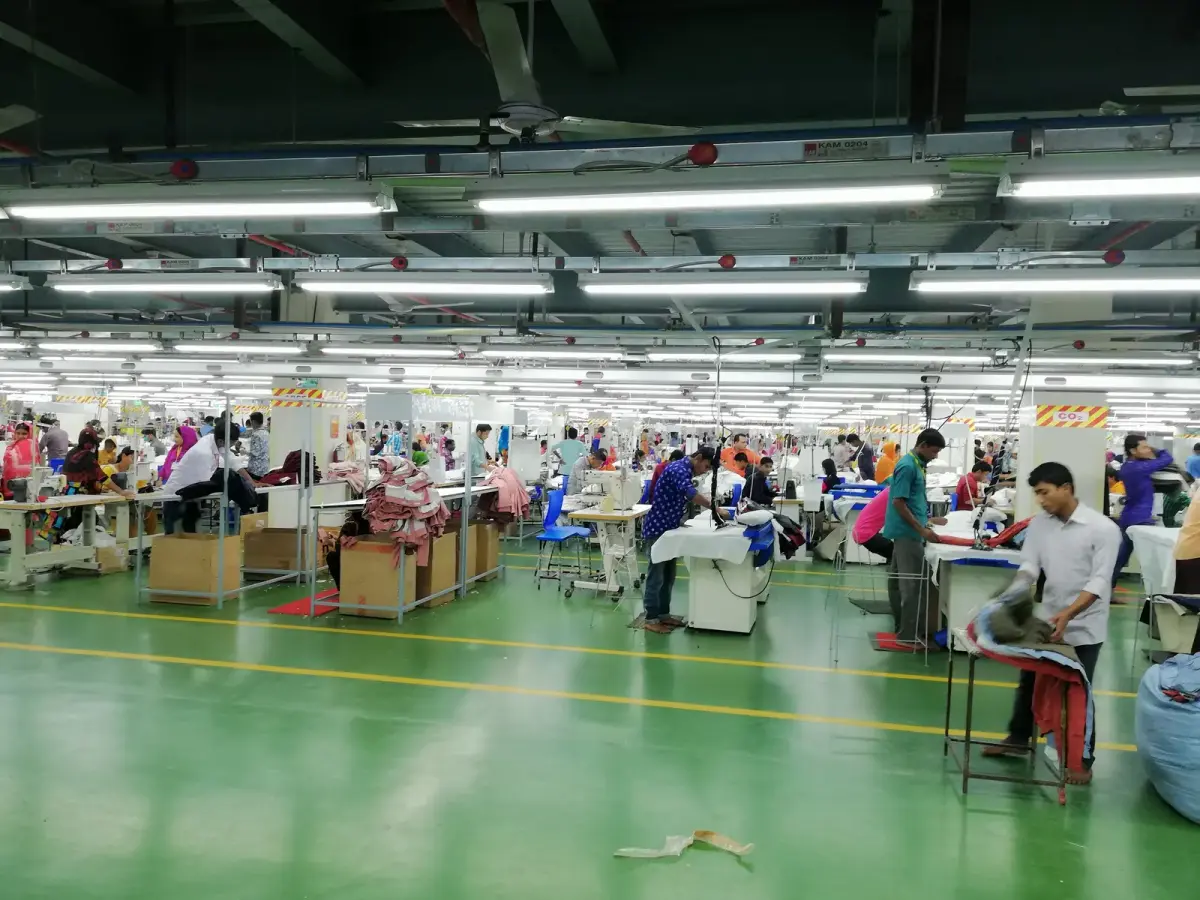
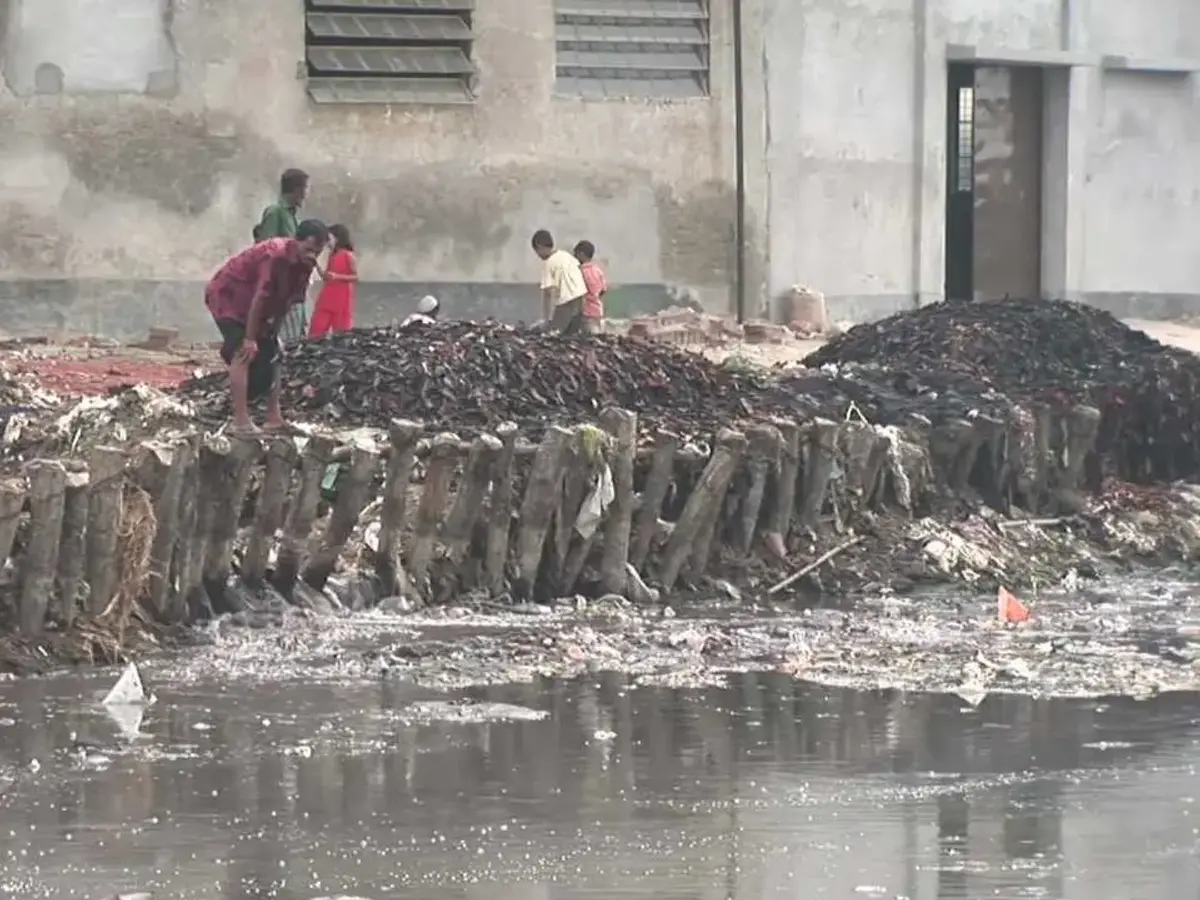
Complex problems rarely arrive structured.

Field observation, consultation, document review, institutional context.

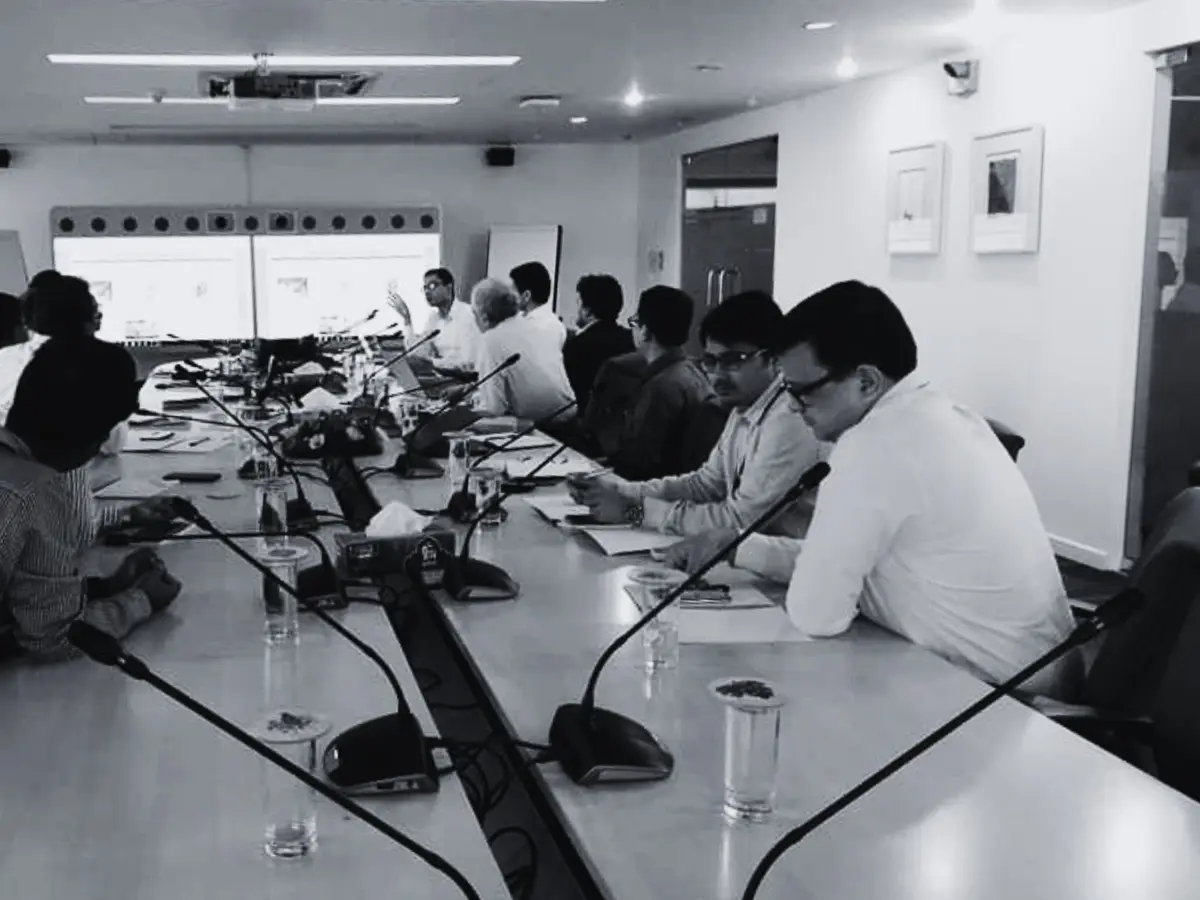
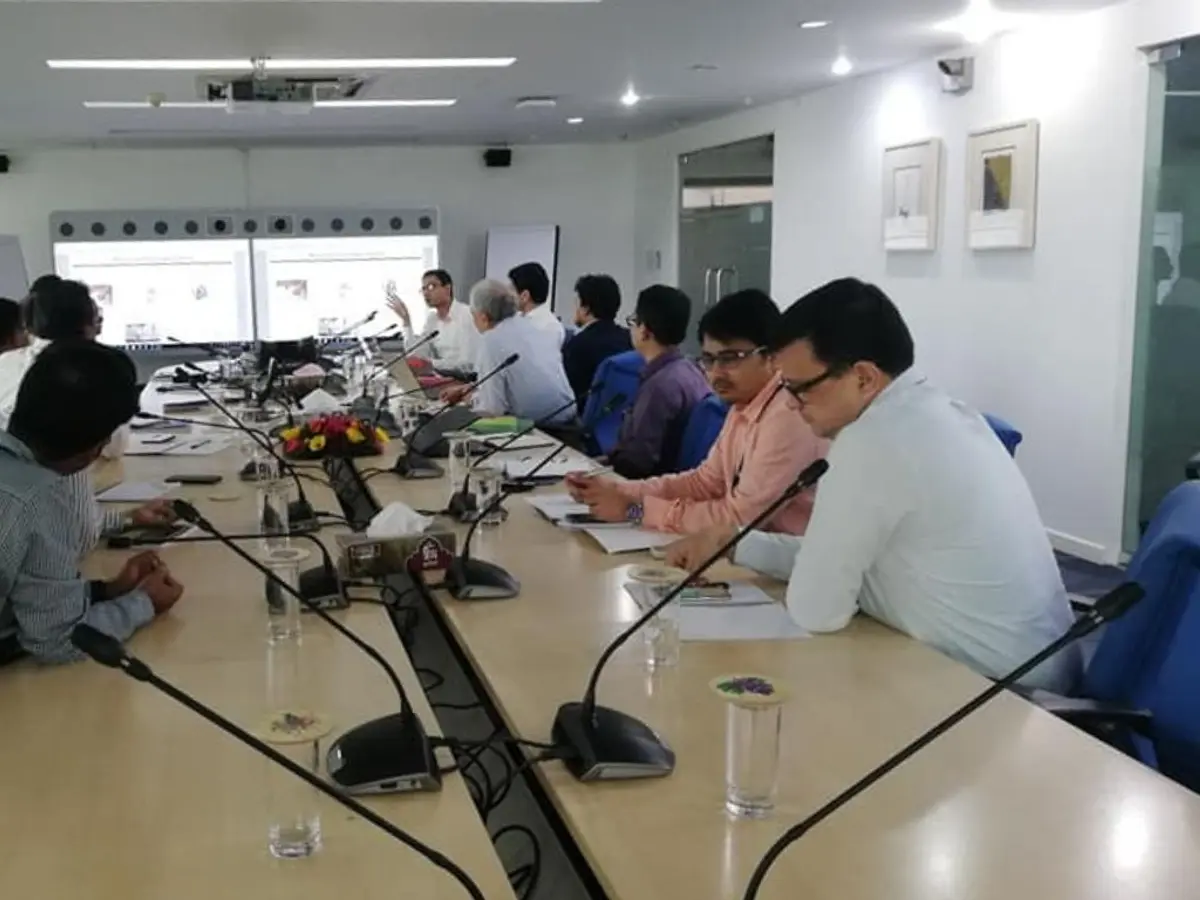
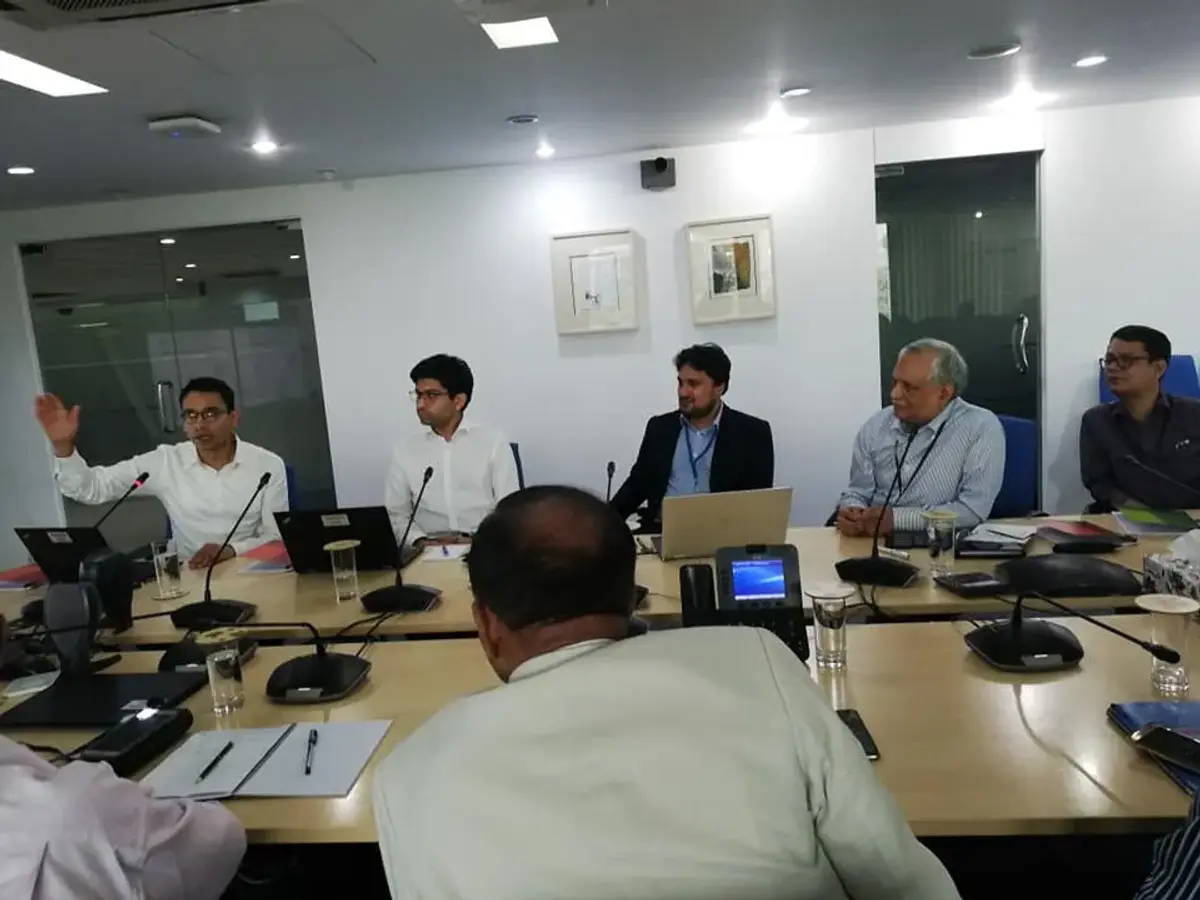
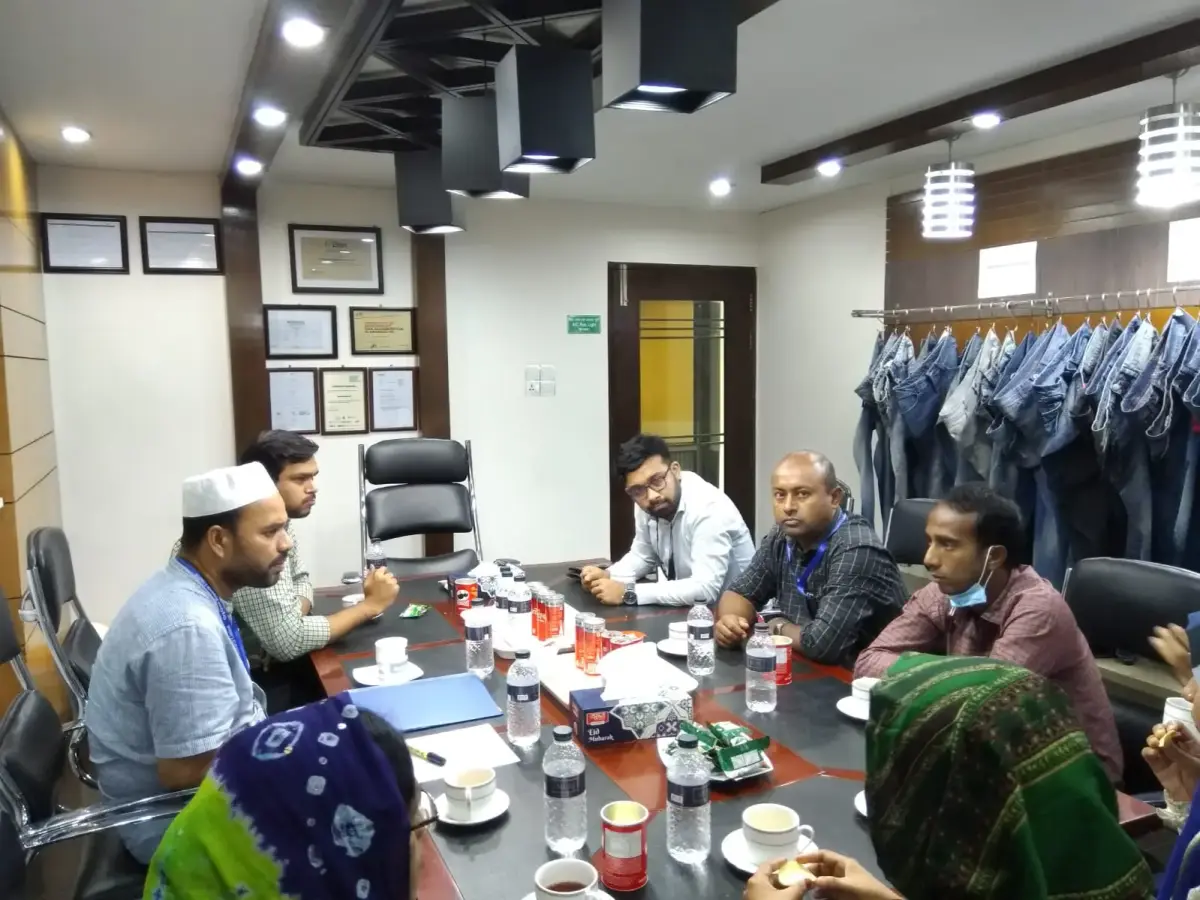
Meeting around a conference table
02 / 05

Evidence

Find the signal, then structure it.

Survey design, data collection, cost estimation, gap assessment.

See the assignment record

528units of primary evidence in one green-transition study: 400 firms, 120 key informant interviews, 8 focus groups

  • 400 firms surveyed
  • 120 key informant interviews
  • 8 focus groups
04 / 05

Decision

Frame alternatives against real constraints.

Options analysis, affordability, institutional capacity, risk.

  • Affordability
  • Institutional capacity
  • Risk

Illustrative structure — not client data

05 / 05

System

Design something that can act on it.

Costed phasing, financing structure, M&E framework, delivery arrangements.

  1. 01Inputs
  2. 02Activities
  3. 03Outputs
  4. 04Outcome
Illustrative structure — not client data

Understand the real system, structure the evidence, test alternatives, and design for implementation.

Assignment record

Documented assignments, filtered by what you need.

Work led or supported by IP3’s founder for development banks, governments, bilateral donors, foundations and firms. Each record shows the client, role, period, scope and methods, with the source it comes from. Scope figures are labelled as scope, never as outcomes.

37 assignments

Roles include short-term, intermittent and consulting appointments, some through partner organisations, named on each record. Institutional names describe assignment relationships, not endorsements.

All assignments, as a list37
  1. Source: =SOURCE(Founder CV, signed 09/09/2026 · ADB TA 10103-REG (sovereign regional TA 57055-001))

    B1 · Program Design · Development Finance · Current

    Increasing Investments in Early Warning Systems to Strengthen Climate and Disaster Resilience

    Client
    Asian Development Bank
    Role of IP3 Expert
    Economic and Financial Analysis Specialist (International), Intermittent
    Period
    Sep 2025 – Dec 2026
    Reference
    ADB TA 10103-REG (sovereign regional TA 57055-001)
    Geography
    Regional — Bangladesh, Cambodia, Kazakhstan, Kyrgyz Republic, Lao PDR, Maldives, Mongolia, Nepal, Tajikistan, Uzbekistan

    10countries in the technical assistance’s scopeIn scope — not an outcome

    Economic and financial analysis for a regional ADB technical assistance on early-warning systems, with ten countries in scope. Costing toolkits, cost-benefit models, economic and financial chapters and financing structures are in preparation.

    Recorded activities

    • Run rapid diagnostics of hydromet/hazard/alerting gaps; conduct stakeholder mapping and country consultations.
    • Draft the facility blueprint (governance, financing instruments, eligibility, safeguards interface).
    • Prepare investment concept notes and screening templates; prioritize pilot concepts for Bangladesh and Cambodia.
    • Build costing toolkits and CBA models; support budget notes and procurement plans.
    • Author SOPs and technical specifications for multi-channel alerting (cell broadcast, SMS, IVR, FM, community).
    • Design an M&E logframe aligned to Sendai and SDG 13; plan integration with national systems.
    • Develop financial evaluation packages, benchmark WACC, and assess O&M sustainability over asset life.
    • Draft Economic & Financial Analysis chapters for three country CIEWS investment frameworks.
    • Contribute donor-ready proposal materials (economic justification, financial projections, risks/mitigation, implementation and financing plans).

    Methods

    Cost-benefit analysisCosting toolkitsWACC benchmarking

    Economics · Data stories · Technology · Research

    • E Economics: Demonstrated
    • D Data stories: Partial
    • T Technology: Demonstrated
    • R Research: Demonstrated

    Capabilities shown

    Current assignment: the record lists responsibilities and planned outputs, not completed ones. The ten countries are the technical assistance’s scope, not presence.

  2. Source: =SOURCE(Founder CV, signed 09/09/2026 · Feasibility Study, ADB TA-6950: BAN)

    B2 · Program Design · Institutions · Current

    NextGen Secondary Education Program — Secondary and Higher Secondary Madrasah Education

    Client
    Asian Development Bank
    Role of IP3 Expert
    Economist and Financial Analyst
    Period
    Jan 2025 – ongoing
    Reference
    Feasibility Study, ADB TA-6950: BAN
    Geography
    Bangladesh

    Technical, financial and institutional feasibility for secondary and higher-secondary madrasah education, including costed plans for ICT labs, science labs and solar learning environments.

    Recorded activities

    • Teaching-Learning Environment Audit: comprehensive assessments of madrasah infrastructure, classroom dynamics, and gender-sensitive learning conditions.
    • TVET Integration: proposed the rollout of the Dakhil Vocational Program in 495 selected madrasahs.
    • Digital Infrastructure Planning: developed design and costing plans for ICT labs, science/social labs, and solar-powered learning environments.
    • Curriculum and Pedagogy Reform: reviewed religious and general subject curriculum alignment with the National Curriculum Framework and designed e-content strategies.
    • Climate and Environmental Resilience: assessed classroom vulnerability to climate shocks and recommended retrofitting and green energy systems.
    • Cost–Benefit and Financial Viability Analysis: supported ENPV and IRR modeling for madrasah investments including infrastructure, teacher training, and CPD.
    • Capacity and Institutional Analysis: evaluated DME, BMTTI, and madrasah governance frameworks including HRMIS readiness, EMIS gaps, and leadership training needs.
    • Stakeholder Engagement: facilitated consultations across TMED, DME, DSHE, NCTB, madrasah leaders, and community groups.

    Methods

    Feasibility assessmentCostingENPV/IRR modelling (supported)Institutional analysis

    Economics · Data stories · Technology · Research

    • E Economics: Demonstrated
    • D Data stories: Not recorded
    • T Technology: Demonstrated
    • R Research: Demonstrated

    Capabilities shown

    Current assignment; outputs are not confirmed. The outcome of the studied project is not part of this record.

  3. Source: =SOURCE(Founder CV, signed 09/09/2026 · Feasibility Study, ADB TA-6950: BAN)

    B3 · Program Design · Policy & Economics

    NextGen Secondary Education Program — Technical and Vocational Education and Training

    Client
    Asian Development Bank
    Role of IP3 Expert
    Economist and Financial Analyst
    Period
    Jan 2024 – Dec 2024
    Reference
    Feasibility Study, ADB TA-6950: BAN
    Geography
    Bangladesh

    USD 44.108Mprogramme budget in scopeIn scope — not an outcome

    Economic and financial appraisal, costing and financing analysis for technical and vocational education, including sections of a Planning Commission-compliant feasibility report.

    Recorded activities

    • Market & Demand Analysis: assessed labor market trends, skills mismatch, and future workforce needs amid the 4th Industrial Revolution.
    • Policy & Document Review: analyzed TVET-related reports, the ASPR 2023, and earlier reform projects (STEP, SEIP, ASSET).
    • SWOT & Gap Assessments: identified institutional weaknesses and prioritized interventions across curriculum, digital content, gender inclusion, and special needs access.
    • Environmental & Climate Risk Analysis: evaluated TVET infrastructure vulnerability and resilience under climate adaptation lenses.
    • Cost–Benefit Analysis: supported modeling of financial and economic returns using national shadow pricing parameters.
    • Capacity Mapping: evaluated DTE’s and BTEB’s institutional and legal capacities for scalable implementation.
    • Stakeholder Consultations: facilitated interviews, focus groups, and inter-agency dialogues with MoE, DTE, BTEB, NCTB, and private institutes.

    Methods

    Cost-benefit analysisNational shadow pricingMarket and demand analysisSWOT and gap assessmentInstitutional capacity mapping

    Economics · Data stories · Technology · Research

    • E Economics: Demonstrated
    • D Data stories: Not recorded
    • T Technology: Not recorded
    • R Research: Demonstrated

    Capabilities shown

    USD 44.108M is the programme’s estimated budget, not money managed. The outcome of the studied project is not part of this record.

  4. Source: =SOURCE(Founder CV, signed 09/09/2026 · Feasibility Study under the Global Partnership for Education Program Development Grant, with MoPME and ADB)

    B4 · Program Design · Data, Digital & AI

    NextGen Primary Education Projects in Bangladesh

    Client
    Asian Development Bank
    Role of IP3 Expert
    Economist and Financial Analyst
    Period
    Jun 2022 – Oct 2023
    Reference
    Feasibility Study under the Global Partnership for Education Program Development Grant, with MoPME and ADB
    Geography
    Bangladesh

    Feasibility for NextGen primary education in Bangladesh, including the technical feasibility and cost-benefit models for digital and AI-powered learning and assessment.

    Recorded activities

    • Evaluated the technical feasibility of digital and AI-powered learning and assessment interventions.
    • Conducted market and institutional analysis to support digital content creation, LMS use, and real-time assessment.
    • Analyzed risks related to climate, disaster resilience, and continuity of learning.
    • Developed financial and economic cost-benefit models aligned with the Planning Division and ADB guidelines.
    • Engaged with MOPME, DPE, and cross-sector stakeholders for a future-proof, tech-enabled learning system.

    Methods

    Digital-learning appraisalMarket and institutional analysisFinancial and economic CBA models

    Economics · Data stories · Technology · Research

    • E Economics: Demonstrated
    • D Data stories: Not recorded
    • T Technology: Demonstrated
    • R Research: Demonstrated

    Capabilities shown

    The record lists responsibilities only. The outcome of the studied project is not part of this record.

  5. Source: =SOURCE(Founder CV, signed 09/09/2026 · ADB TA-6950-BAN: Supporting Education Sector Projects (56088-001))

    B5 · Program Design · Policy & Economics

    New Secondary and Madrasah Education Projects in Bangladesh

    Client
    Asian Development Bank
    Role of IP3 Expert
    Economist and Financial Analyst
    Period
    Jan 2022 – Dec 2023
    Reference
    ADB TA-6950-BAN: Supporting Education Sector Projects (56088-001)
    Geography
    Bangladesh

    ENPV and FNPV, EIRR and FIRR and benefit-cost ratios with scenario-based sensitivity, built as Excel models and narratives for Planning Commission-format feasibility reports.

    Recorded activities

    • Performed in-depth market analysis, SWOT assessments, and economic and financial cost-benefit analyses — estimating economic and financial net present value, cost-benefit ratio, and internal rate of return.
    • Conducted risk (uncertainty) and sensitivity analysis by varying key assumptions across scenarios.
    • Prepared cost estimates reviewing proposed interventions, output plan, and implementation timeline.
    • Prepared the full analysis in Excel and narratives as part of feasibility study reports in accordance with Planning Commission requirements.
    • Provided inputs for technical/technological and engineering analysis including alternative/options analysis, and human resources and administrative support analysis.

    Methods

    ENPV/FNPVEIRR/FIRRBenefit-cost ratioScenario and sensitivity analysisCost estimation

    Economics · Data stories · Technology · Research

    • E Economics: Demonstrated
    • D Data stories: Not recorded
    • T Technology: Not recorded
    • R Research: Partial

    Capabilities shown

    Also in IP3 selected engagementsFeasibility Study of New Secondary & Madrasah Education Projects (NSEP)

    The outcome of the studied project is not part of this record.

  6. Source: =SOURCE(Founder CV, signed 09/09/2026 · Research and Advocacy Program)

    B6 · Policy & Economics · Development Finance · Data, Digital & AI

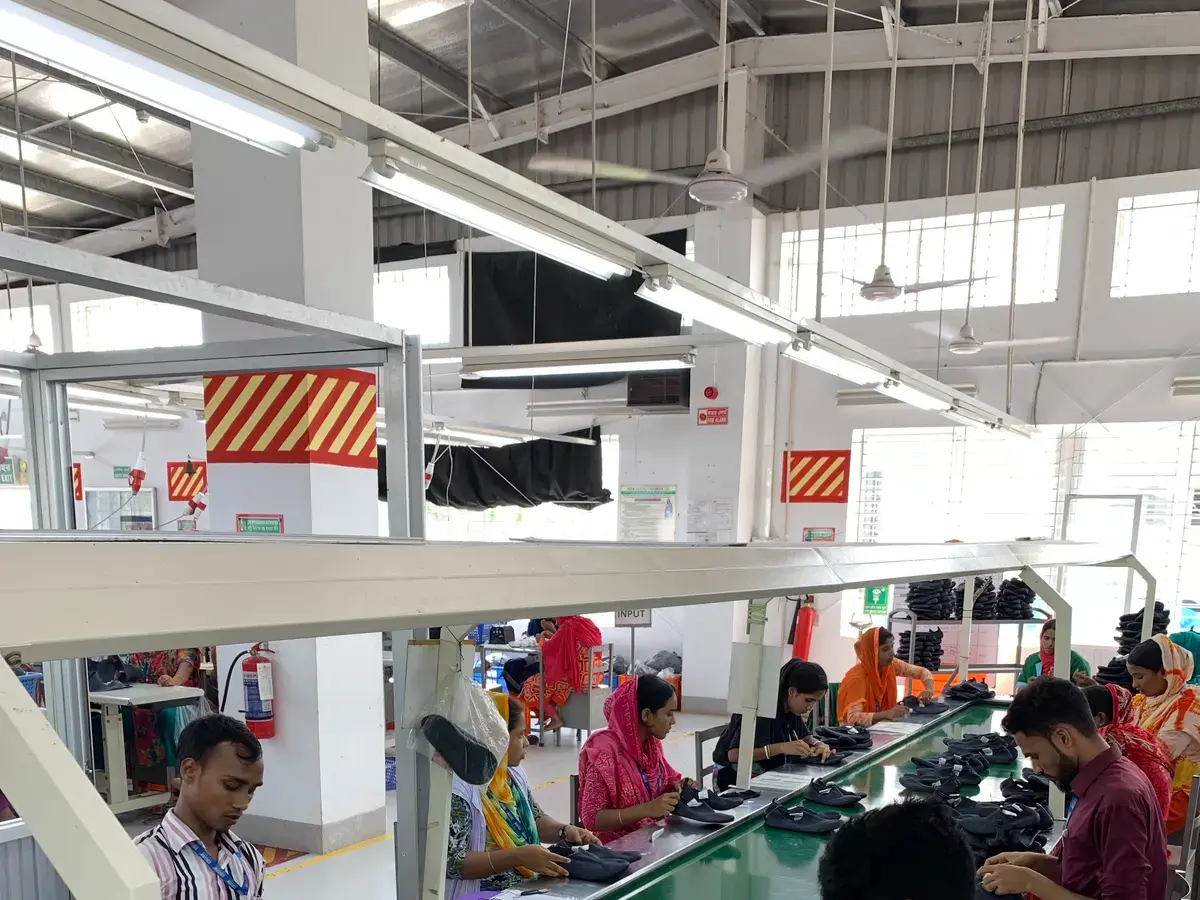
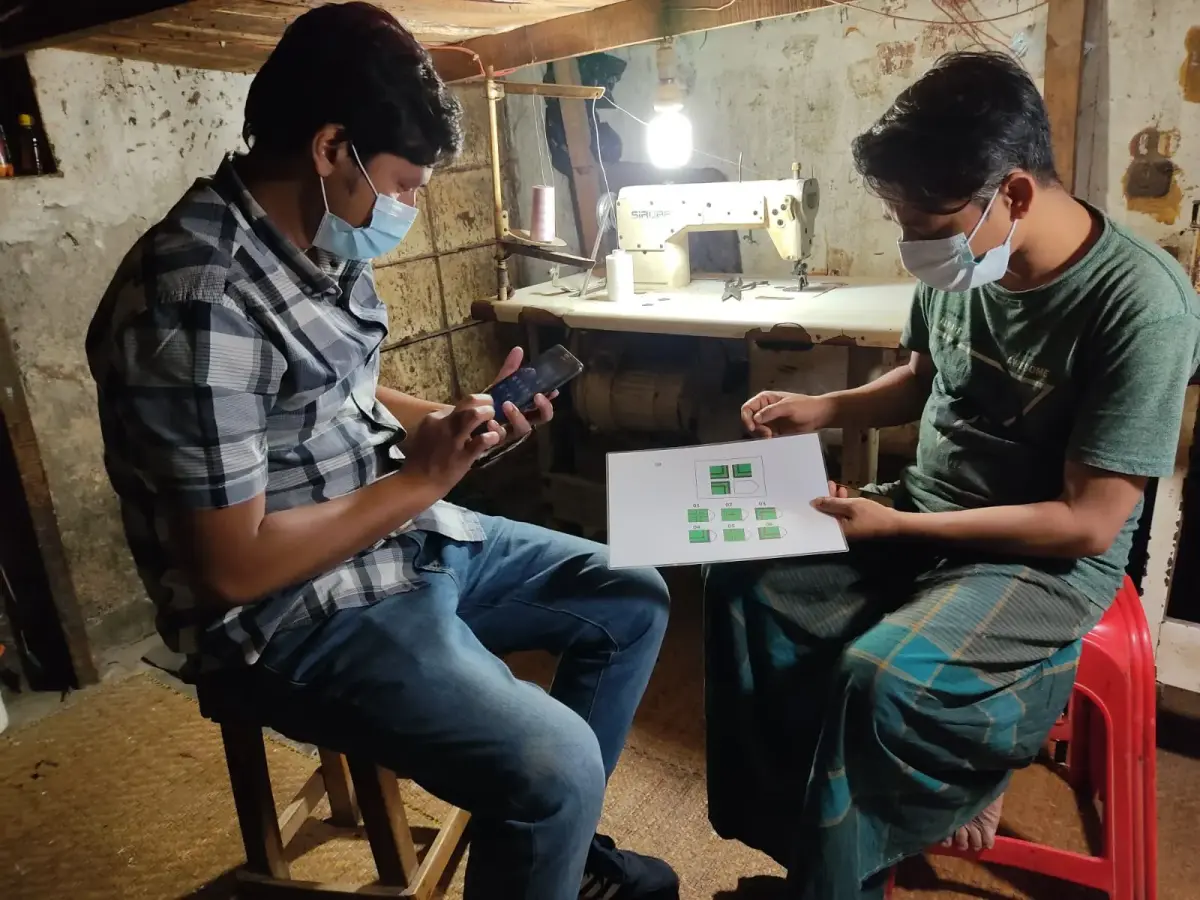
    Securing Green Transition of the Textile and Readymade Garments Sector in Bangladesh

    Client
    Embassy of Sweden in Bangladesh and the Centre for Policy Dialogue
    Role of IP3 Expert
    Visiting Research Fellow (Economist) — led the research and implementation team
    Period
    Jan 2022 – Jun 2023
    Reference
    Research and Advocacy Program
    Geography
    Bangladesh

    400firms surveyed · 120 KIIs · 8 FGDsIn scope — not an outcome

    Research into the policy, institutional and financing barriers facing Bangladesh’s textile and ready-made garment industries — from research design to policy briefs.

    Recorded activities

    • Identified critical barriers and drivers of the Green Transition within the industry, and analyzed the landscape of policies, regulations, and green financing in Bangladesh.
    • Assessed available funds, incentives, and challenges in accessing finance for renewable energy integration.
    • Examined the knowledge, interest, and capacity of firms in adopting green practices, and stakeholder dynamics across the Industrial Policy and global value chain.
    • Orchestrated a research-based policy study from inception to completion — proposal, research methodology, questionnaires, and data analysis.
    • Conducted stakeholder consultations with government agencies, banks, investors, and factory owners to identify financing gaps.
    • Prepared policy briefs and recommendations including the introduction of a Carbon (Green) Tax and incentives for renewable energy investments.
    • Led the survey "Barriers to Green Transition" — 400 firms, 120 KIIs, 8 FGDs.

    Methods

    Firm surveyKey informant interviewsFocus group discussionsPolicy gap analysisPolicy briefs

    Economics · Data stories · Technology · Research

    • E Economics: Demonstrated
    • D Data stories: Demonstrated
    • T Technology: Partial
    • R Research: Demonstrated

    Capabilities shown

    Also in IP3 selected engagementsSecuring the Green Transition of the Textile and Ready-Made Garments Sector

    The record covers the research, survey and policy briefs; policy uptake is not claimed.

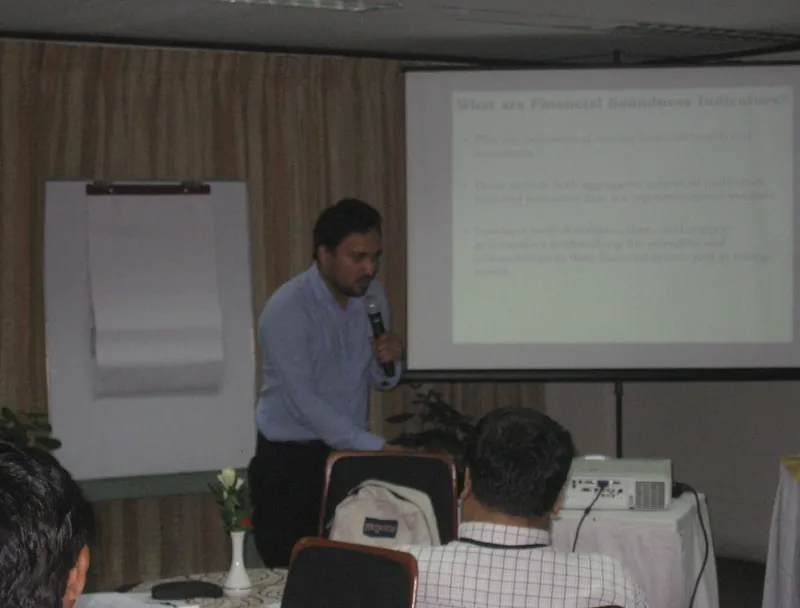
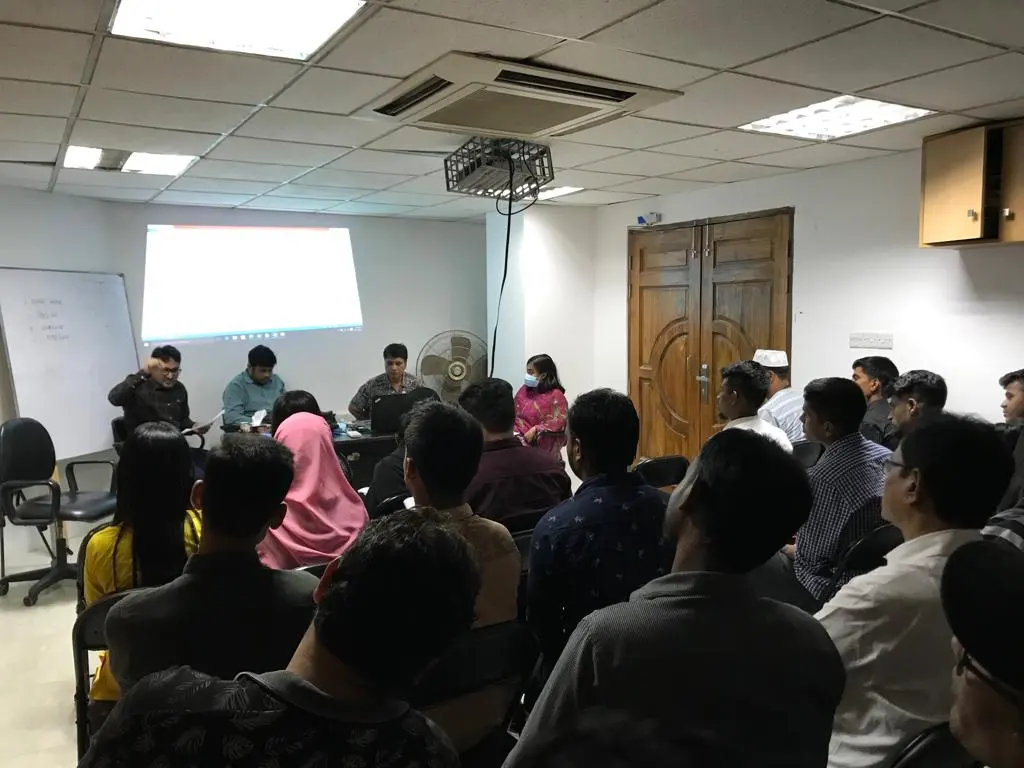
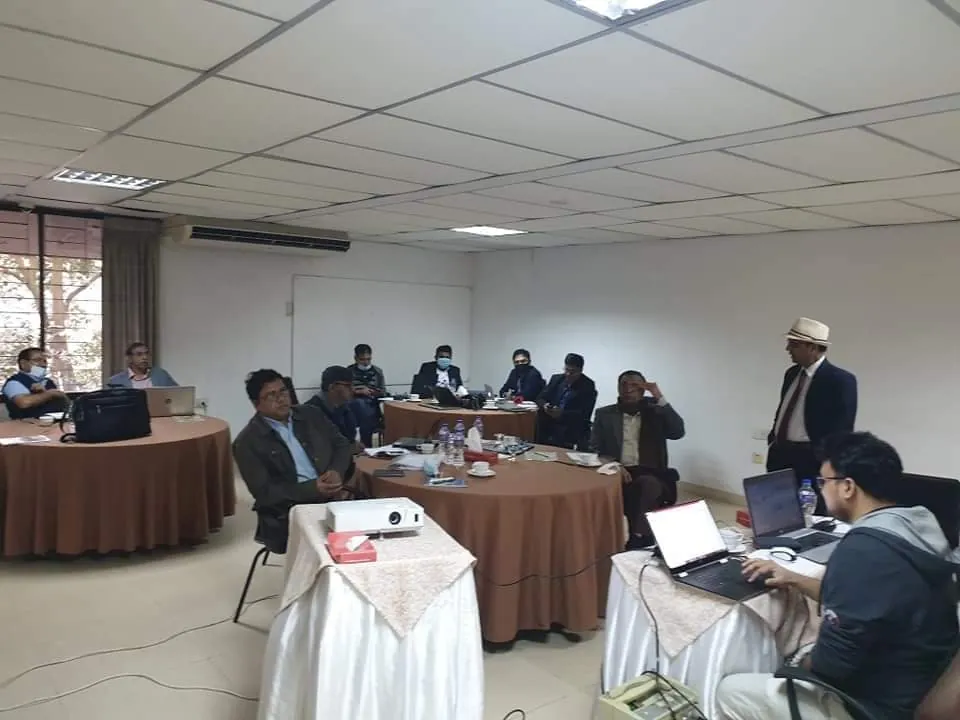
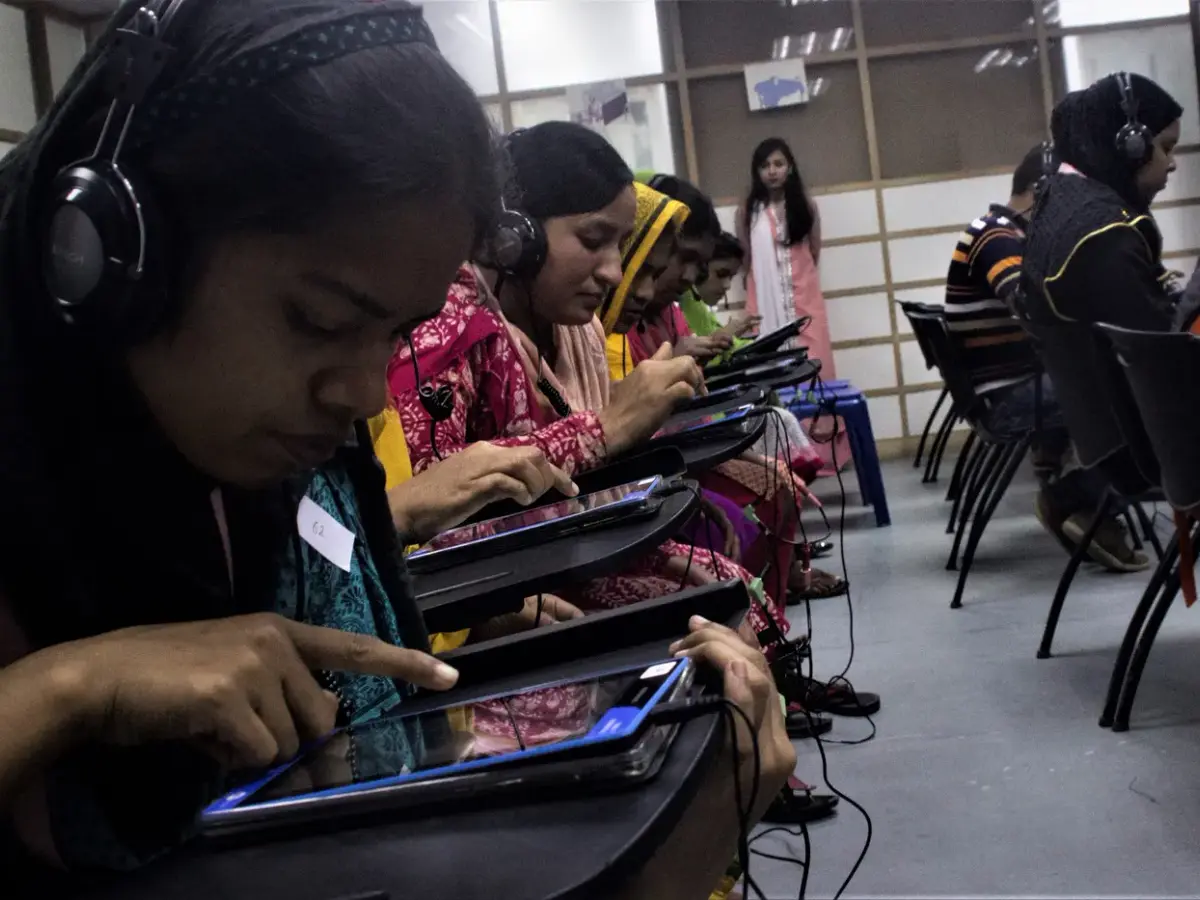
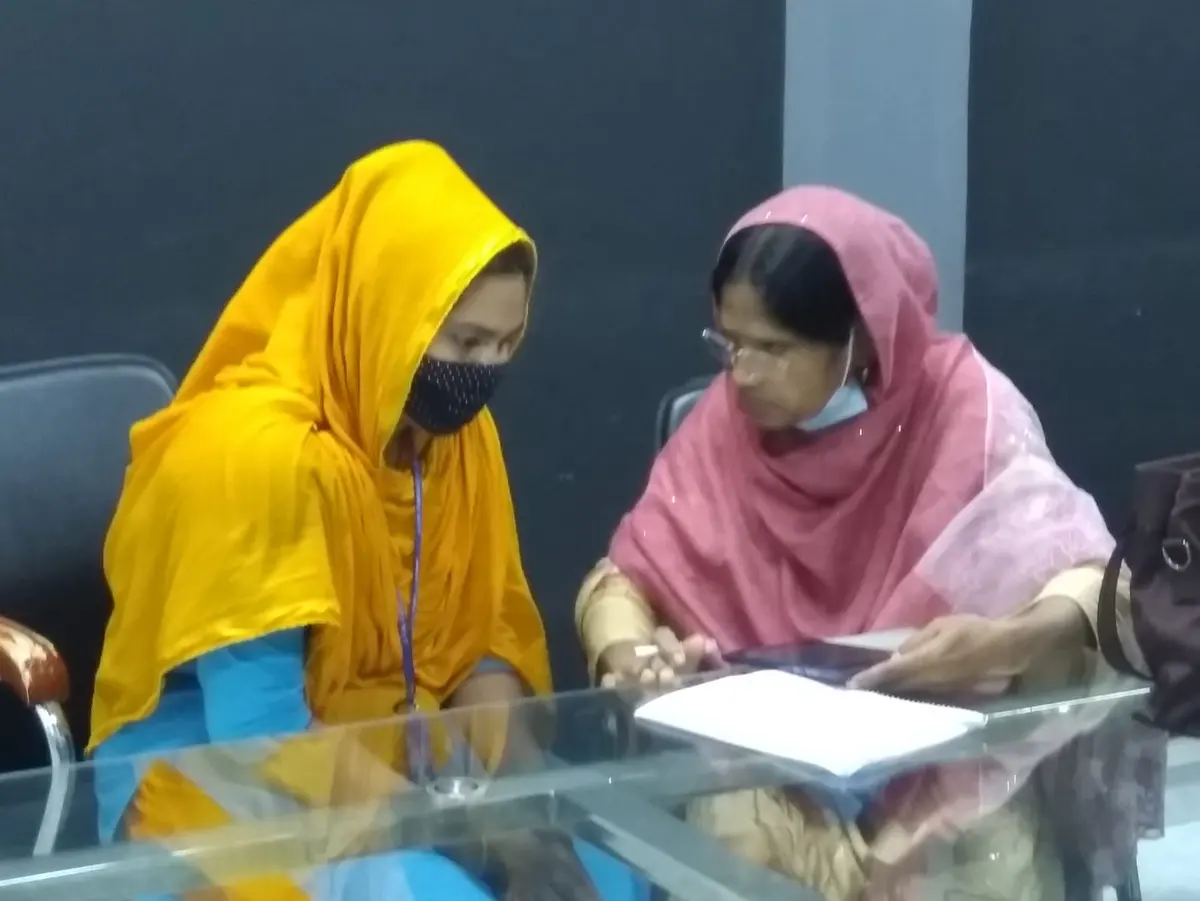
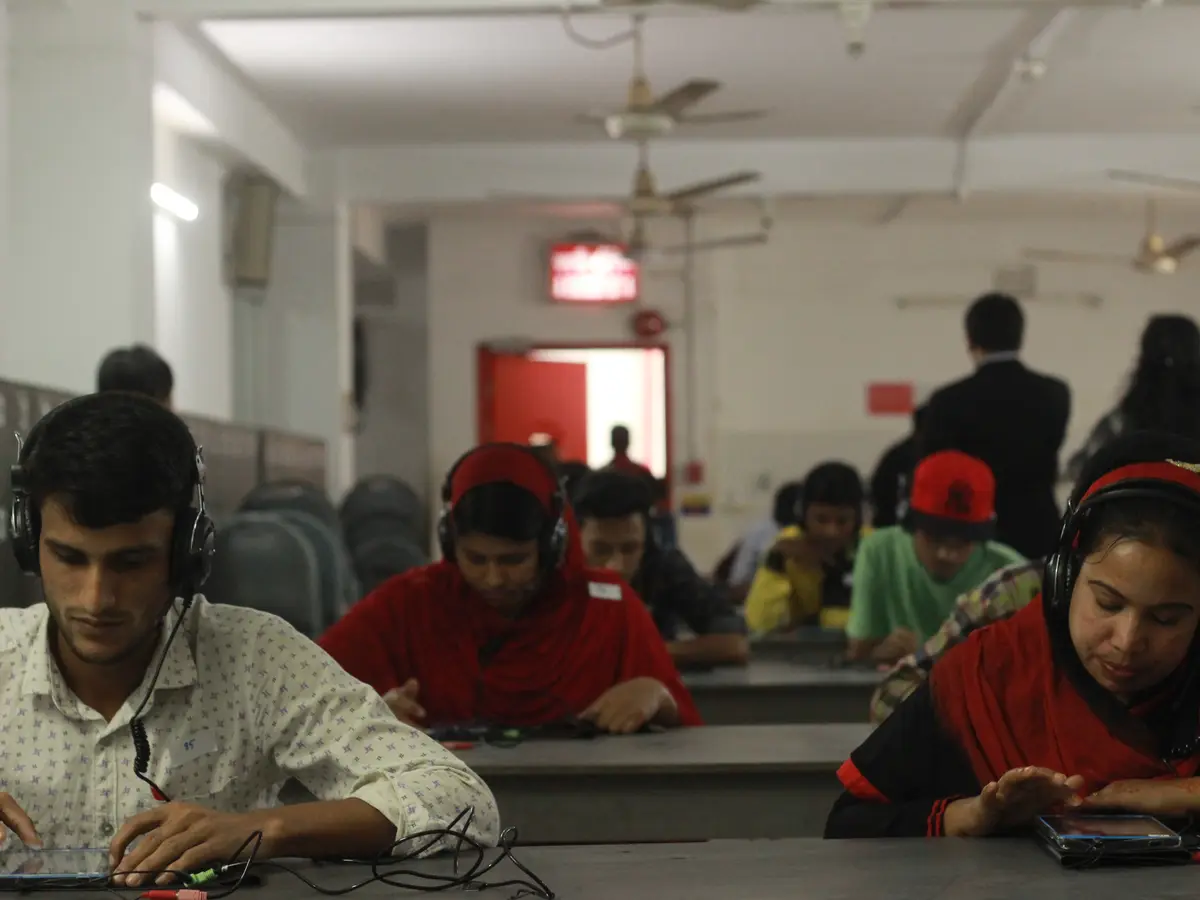
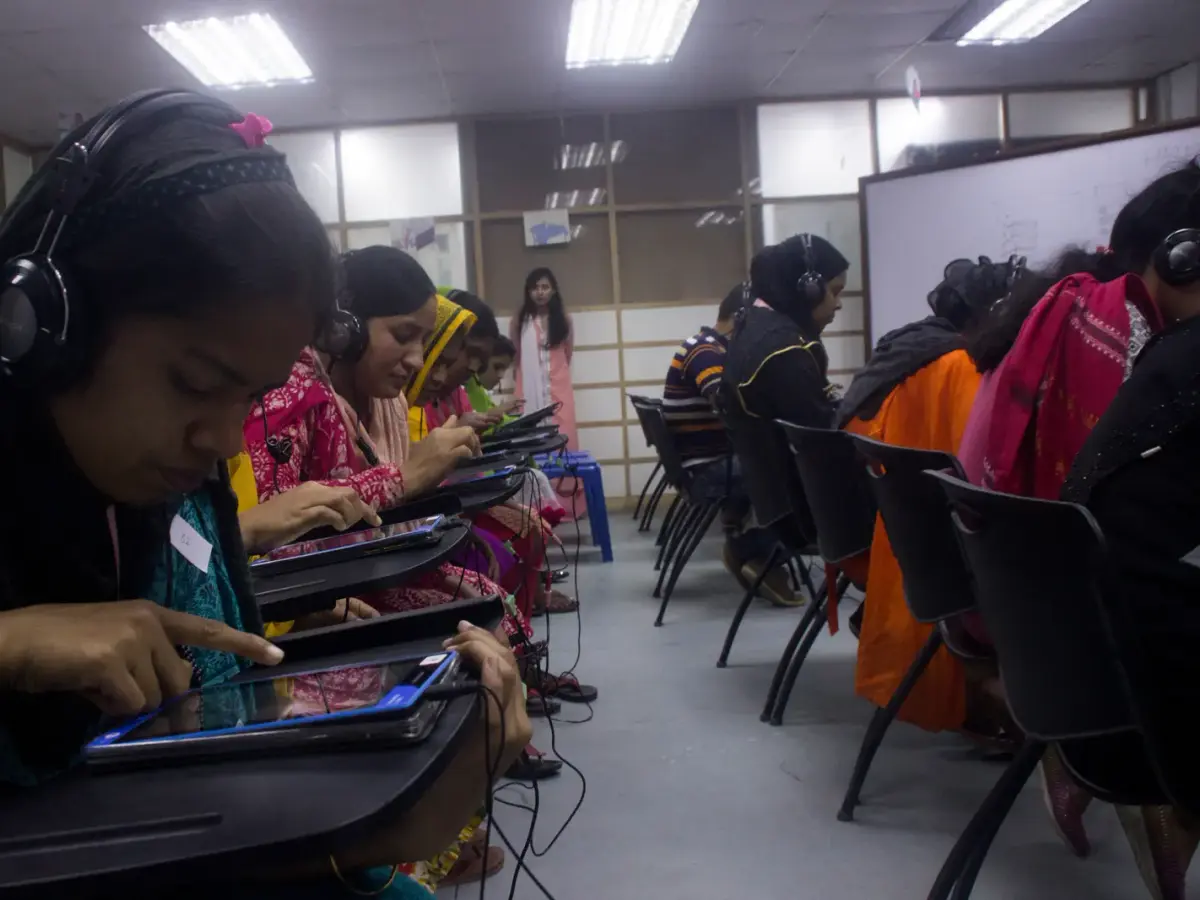
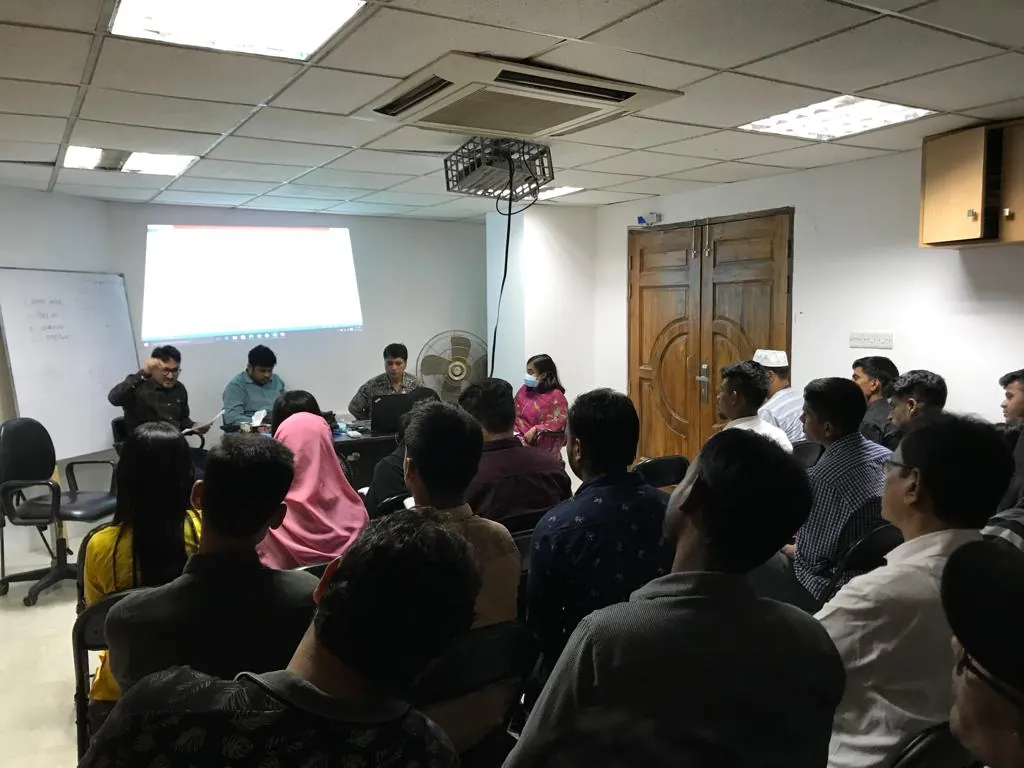
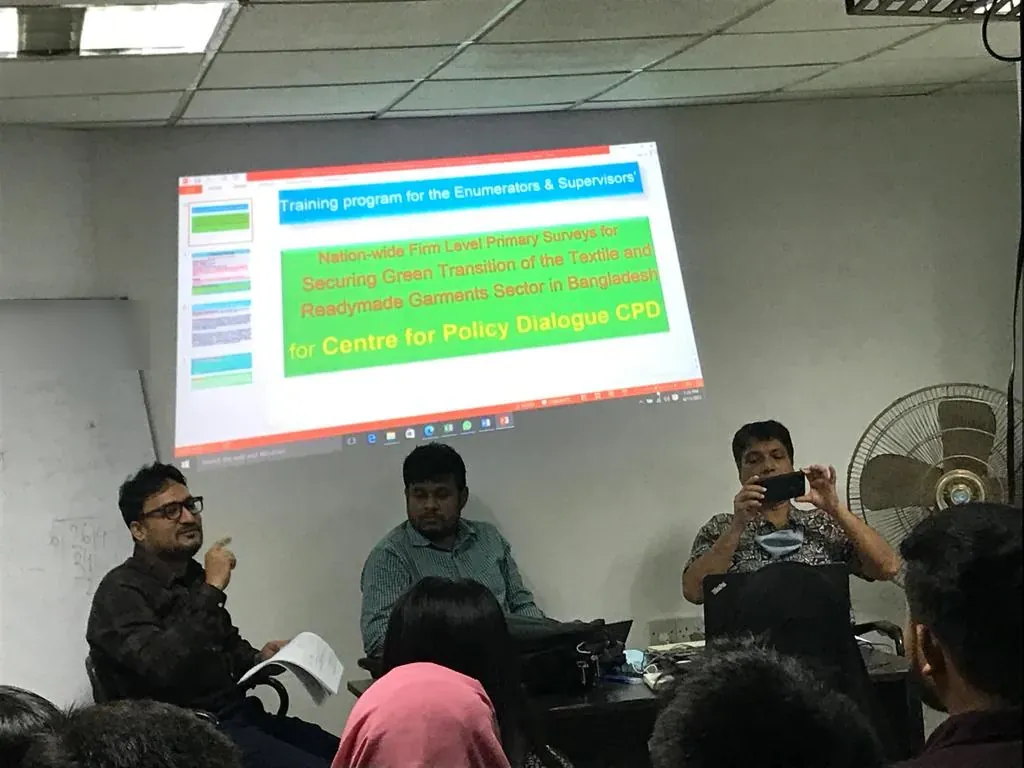
    A training room with a projected slide titled ‘Training program for the Enumerators & Supervisors’ for ‘Nation-wide Firm Level Primary Surveys for Securing Green Transition of the Textile and Readymade Garments Sector in Bangladesh for Centre for Policy Dialogue CPD’.
    In the room · Training for enumerators and supervisors: firm-level surveys on the green transition of the textile and readymade garments sector (CPD)
  7. Source: =SOURCE(Founder CV, signed 09/09/2026 · The World Bank)

    B14 · Policy & Economics

    Country Economic Memorandums for Bangladesh and India

    Client
    The World Bank (ESAMU-EFI-SAR-MTI Macro-Fiscal)
    Role of IP3 Expert
    ST Consultant
    Period
    2021 – 2022
    Geography
    Bangladesh, India

    Thematic and sectoral background research, including key informant interviews, for the World Bank’s Country Economic Memorandums.

    Recorded activities

    • Conducted thematic and sectoral research.
    • Produced reports for the preparation of Country Economic Memorandums for Bangladesh and India.
    • Conducted key informant interviews.

    Methods

    Thematic and sectoral researchKey informant interviews

    Economics · Data stories · Technology · Research

    • E Economics: Demonstrated
    • D Data stories: Not recorded
    • T Technology: Not recorded
    • R Research: Demonstrated

    Capabilities shown

    Geography as recorded in the portfolio; the signed CV lists Bangladesh.

  8. Source: =SOURCE(Founder CV, signed 09/09/2026 · The World Bank)

    B15 · Policy & Economics · Institutions

    Transformative Green Trade, Investment and Transition Policy Reform Design and Implementation

    Client
    The World Bank
    Role of IP3 Expert
    ST Consultant
    Period
    2021 – 2022
    Geography
    Bangladesh, India, Vietnam

    Scoping, stakeholder and institutional mapping and policy-gap analysis on trade, investment and finance for environmental goods and services, contributing to the World Bank’s Bangladesh trade and climate report.

    Recorded activities

    • Contributed to the report "Act now, there is no time to wait for greening trade: the case of Bangladesh Trade and Climate Report."
    • Prepared "Status of Current Policies and Strategies, and Policy Gaps in Trade, Investment and Finance for EGS in Bangladesh."
    • Prepared "Institutional Mapping of Trade, Investment and Financing in Environmental Goods and Services in Bangladesh."

    Methods

    Scoping studyStakeholder mappingPolicy gap analysisInstitutional mapping

    Economics · Data stories · Technology · Research

    • E Economics: Partial
    • D Data stories: Not recorded
    • T Technology: Not recorded
    • R Research: Demonstrated

    Capabilities shown

    Geography as recorded in the portfolio; the signed CV lists Bangladesh.

  9. Source: =SOURCE(Founder CV, signed 09/09/2026 · UNCTAD and the Centre for Policy Dialogue)

    B16 · Policy & Economics

    Productive Capacities Gap Assessment for Bangladesh

    Client
    UNCTAD and the Centre for Policy Dialogue
    Role of IP3 Expert
    Visiting Research Fellow (Economist)
    Period
    Dec 2021 – Jan 2022
    Geography
    Bangladesh

    A Productive Capacities Gap Assessment for Bangladesh with UNCTAD and CPD: productive capacities index analysis, binding constraints and policy recommendations for LDC graduation.

    Recorded activities

    • Conducted the Productive Capacities Gap Assessment and prepared analytical documents forming the basis for Bangladesh’s graduation with momentum strategy.
    • Analyzed productive capacities, PCI scores, performance, and critical binding constraints on fostering productive capacities and structural economic transformation, including institutional limitations and policy implementation gaps.
    • Examined comparative advantages and made practical, country-specific recommendations on policies to build productive and policy-making capacities.

    Methods

    Productive capacities gap assessmentPCI score analysisBinding-constraints analysisComparative-advantage analysisPolicy recommendations

    Economics · Data stories · Technology · Research

    • E Economics: Demonstrated
    • D Data stories: Not recorded
    • T Technology: Demonstrated
    • R Research: Demonstrated

    Capabilities shown

    The record describes the assessment and its analytical documents; policy uptake is not claimed.

  10. Source: =SOURCE(Founder CV, signed 09/09/2026 · EC FWC SIEA Lot 2 — Infrastructures, Sustainable Growth & Jobs)

    B11 · Policy & Economics

    Bangladesh’s LDC Graduation: Mitigation Actions and Trade, Business, Financing and Market Opportunities for EU Engagement

    Client
    European Commission & TIEG
    Role of IP3 Expert
    Consultant, Economist & Deputy Team Leader
    Period
    Jan 2020 – May 2021
    Reference
    EC FWC SIEA Lot 2 — Infrastructures, Sustainable Growth & Jobs
    Geography
    Bangladesh

    Trade, business and financing analysis to inform Bangladesh’s graduation transition and opportunities for EU engagement, as Deputy Team Leader.

    Recorded activities

    • Reviewed and identified gaps in existing analyses and advised on the need for further diagnostic studies — productive capacity, market analysis, trade integration, investment and financing options, production transformation, cost-benefit analysis, vulnerability profile.
    • Identified possible key areas of intervention for the EU to address the impact of LDC graduation, potential loss of international support measures, and opportunities for investment and financing.
    • Acted as focal point coordinating with the EC Bangladesh delegation, country embassies, the Prime Minister’s Office, ministries, Planning Commission, Ministry of Finance, Ministry of Commerce, national trade bodies and industry associations.

    Methods

    Policy gap analysisDiagnostic scopingIntervention identificationStakeholder coordination

    Economics · Data stories · Technology · Research

    • E Economics: Demonstrated
    • D Data stories: Not recorded
    • T Technology: Not recorded
    • R Research: Demonstrated

    Capabilities shown

  11. Source: =SOURCE(Founder CV, signed 09/09/2026 · The World Bank and a joint team of the World Trade Organization)

    B17 · Data, Digital & AI · Policy & Economics

    Global Services Trade Policy Database and Index

    Client
    The World Bank and a joint team of the World Trade Organization
    Role of IP3 Expert
    ST Consultant
    Period
    Mar 2020 – Jun 2022
    Geography
    Bangladesh

    Bangladesh entries for the World Bank–WTO Global Services Trade Policy Database and Index, compiled from regulatory desk research and interviews.

    Recorded activities

    • Undertook policy and research activities to develop the Global Services Trade Policy Database and Index for Bangladesh.
    • Coordinated and gathered information on applied policies and regulations across sectors and sub-sectors through desk research, interviews and analysis for the joint WTO–World Bank team.

    Methods

    Database and index developmentRegulatory desk researchInterviews

    Economics · Data stories · Technology · Research

    • E Economics: Not recorded
    • D Data stories: Demonstrated
    • T Technology: Demonstrated
    • R Research: Demonstrated

    Capabilities shown

  12. Source: =SOURCE(Founder CV, signed 09/09/2026 · Dhaka South City Corporation)

    B18 · Institutions · Development Finance

    Vision Document 2050 — Dhaka South City Corporation Modernization

    Client
    Dhaka South City Corporation
    Role of IP3 Expert
    Municipal Governance & Finance Expert (ST Consultant)
    Period
    Feb 2020 – Sep 2020
    Geography
    Bangladesh

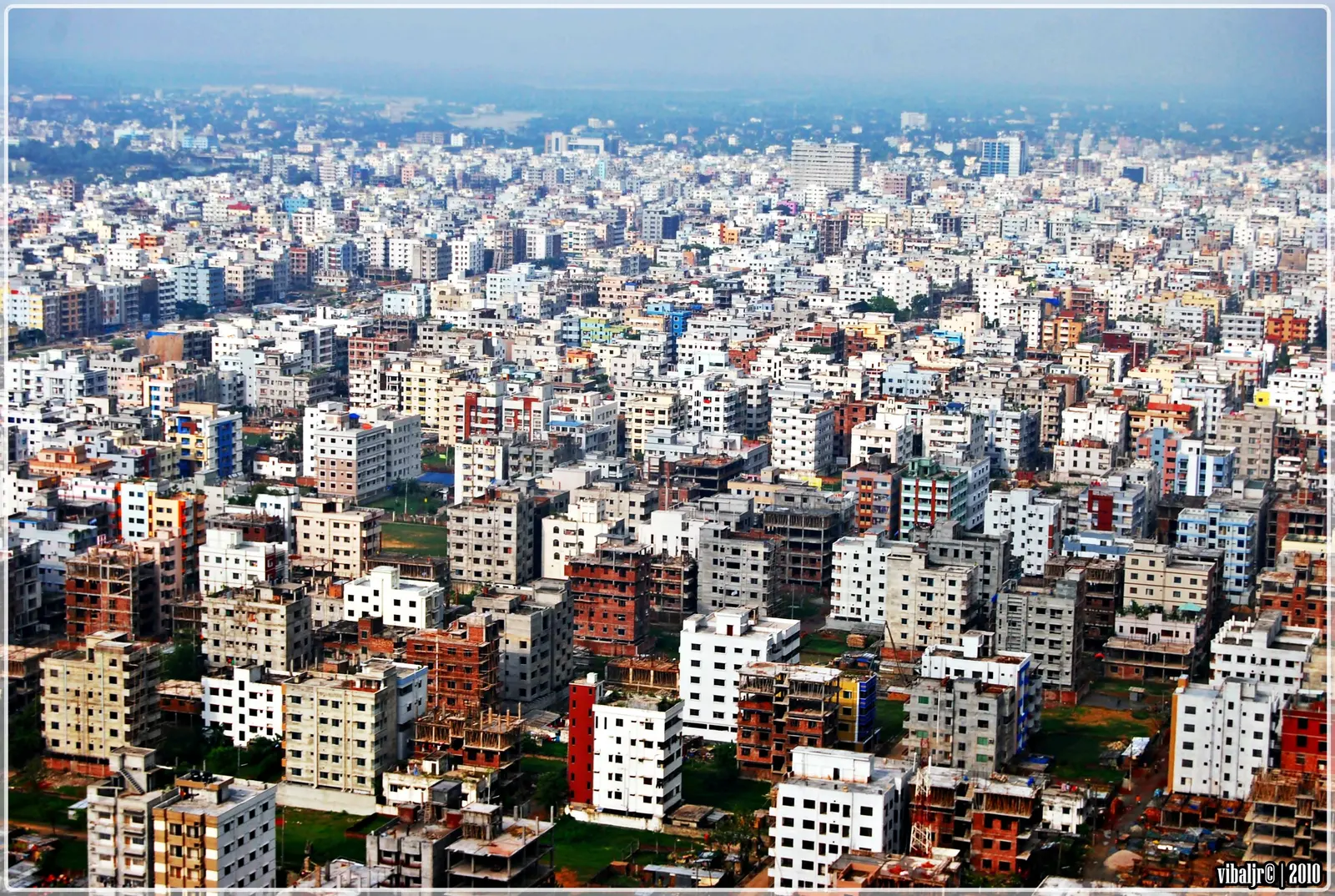
    Preparatory studies for Dhaka South City Corporation’s Vision 2050: a city financing and investment plan, a governance reform plan, and business and revenue models.

    Recorded activities

    • Developed vision document preparatory studies for a smart, resilient and inclusive modern Dhaka — city infrastructure, services and governance planning.
    • Prepared the city financing and investment plan, local institutions and city governance reform plan for effective service delivery.
    • Assessed economic prospects and developed business and revenue models for the operation and execution of the modern city plan.

    Methods

    City financing and investment planGovernance reform planBusiness and revenue modelsEconomic prospects assessment

    Economics · Data stories · Technology · Research

    • E Economics: Demonstrated
    • D Data stories: Not recorded
    • T Technology: Not recorded
    • R Research: Partial

    Capabilities shown

  13. Source: =SOURCE(Founder CV, signed 09/09/2026 · Asian Development Bank)

    B29 · Institutions

    Capacity Building of Management in Education and Skills Programs (SESIP, SEIP)

    Client
    Asian Development Bank
    Role of IP3 Expert
    Consultant (Project Assessment)
    Period
    June 2020

    Assessment of management capacity in the Asian Development Bank’s education and skills programs (SESIP, SEIP): consultation synthesis and an assessment of institutional capacity and government systems.

    Methods

    Consultation synthesisInstitutional capacity assessment

    Economics · Data stories · Technology · Research

    • E Economics: Partial
    • D Data stories: Not recorded
    • T Technology: Not recorded
    • R Research: Demonstrated

    Capabilities shown

  14. Source: =SOURCE(Founder CV, signed 09/09/2026 · The World Bank)

    B30 · Data, Digital & AI

    Bangladesh Digital and Informality Survey 2021

    Client
    The World Bank
    Role of IP3 Expert
    ST Consultant
    Period
    June 2020 – December 2021

    Questionnaire and survey design, survey programming and data analysis for the World Bank’s Bangladesh Digital and Informality Survey 2021.

    Methods

    Survey designSurvey programmingData analysis

    Economics · Data stories · Technology · Research

    • E Economics: Not recorded
    • D Data stories: Demonstrated
    • T Technology: Demonstrated
    • R Research: Demonstrated

    Capabilities shown

    A World Bank publication is cited in the CV; authorship of it is not claimed.

  15. Source: =SOURCE(Founder CV, signed 09/09/2026 · The World Bank (EFI-SAR-FCI))

    B31 · Data, Digital & AI

    Covid-19 Impact Assessment — Business Pulse Survey 2020

    Client
    The World Bank (EFI-SAR-FCI)
    Role of IP3 Expert
    ST Consultant
    Period
    June 2020 – December 2021

    Survey materials, implementation and data quality control for the World Bank’s Covid-19 Business Pulse Survey 2020 in Bangladesh.

    Methods

    Survey materialsSurvey implementationData quality control

    Economics · Data stories · Technology · Research

    • E Economics: Not recorded
    • D Data stories: Demonstrated
    • T Technology: Not recorded
    • R Research: Demonstrated

    Capabilities shown

  16. Source: =SOURCE(Founder CV, signed 09/09/2026 · Army Officers Housing Scheme town development project)

    B8 · Program Design · Development Finance

    Jolshiri Aqua Green City — Economic, Social, Financial and Market Feasibility Study

    Client
    Bangladesh Army & ZTENCO
    Role of IP3 Expert
    Team Leader
    Period
    May 2019 – Jun 2020
    Reference
    Army Officers Housing Scheme town development project
    Geography
    Bangladesh

    USD 1,414Mcapital investment in scopeIn scope — not an outcome

    Economic, social, financial and market feasibility for a proposed urban development with a stated capital investment of USD 1,414 million.

    Recorded activities

    • Led the feasibility assignment, including study design and budget, research and survey teams, stakeholder coordination and report delivery.
    • Provided a 10-year projection, business strategies, and marketing plan based on economic and social cost-benefit analysis, financial feasibility analysis and market study.
    • Prepared cost schedule estimation of capital requirement; formulation of yearly expenditure given current expenditure and liabilities analysis.
    • Working capital estimation and sensitivity analysis.
    • Plot/item-wise market segmentation study; cost versus benefit pricing across all categories.
    • Financial investment plan, funding opportunity, indebtedness and creditworthiness of borrowing company.
    • Equity analysis, internal rate of return analysis, estimation of payback period, forecast cash flow.

    Methods

    Economic and social CBAIRR and payback analysis10-year projectionMarket segmentationSensitivity analysis

    Economics · Data stories · Technology · Research

    • E Economics: Demonstrated
    • D Data stories: Partial
    • T Technology: Not recorded
    • R Research: Partial

    Capabilities shown

    USD 1,414M is the capital investment in scope, not funds raised. The outcome of the studied project is not part of this record.

  17. Source: =SOURCE(Founder CV, signed 09/09/2026 · Firm-Level Adoption of Technology (FAT) Survey 2019 — policy report for 8 selected manufacturing sectors)

    B9 · Data, Digital & AI · Policy & Economics

    Bangladesh 4: Gearing up the Future of Manufacturing

    Client
    The World Bank
    Role of IP3 Expert
    ST Consultant
    Period
    Feb 2019 – Dec 2020
    Reference
    Firm-Level Adoption of Technology (FAT) Survey 2019 — policy report for 8 selected manufacturing sectors
    Geography
    Bangladesh

    8manufacturing sectorsIn scope — not an outcome

    A firm-level technology adoption survey for the World Bank: questionnaire, programming guidance, fieldwork training, data quality control and analysis for a policy report covering eight manufacturing sectors.

    Recorded activities

    • Contributed questionnaire design, survey implementation, data analysis and report writing for the Bangladesh study.
    • Supported the Task Team Leader in research, design, implementation and policy advocacy of the large technology adoption survey in Bangladesh.
    • Provided training to firms for survey implementation and guided survey teams for questionnaire programming, administration, monitoring and data-quality control.
    • Organized high-level dissemination seminars and collaborated with lead economists from the World Bank.

    Methods

    Questionnaire designSurvey programming guidanceFieldwork trainingData quality controlData analysis

    Economics · Data stories · Technology · Research

    • E Economics: Demonstrated
    • D Data stories: Demonstrated
    • T Technology: Demonstrated
    • R Research: Demonstrated

    Capabilities shown

    Also in IP3 selected engagementsFirm-Level Adoption of Technology (FAT) Survey for Manufacturing

    Related World Bank publications are named in the record; authorship of them is not claimed.

  18. Source: =SOURCE(Founder CV, signed 09/09/2026 · RCT study, Textile & Leather Sector)

    B10 · MEL & Impact

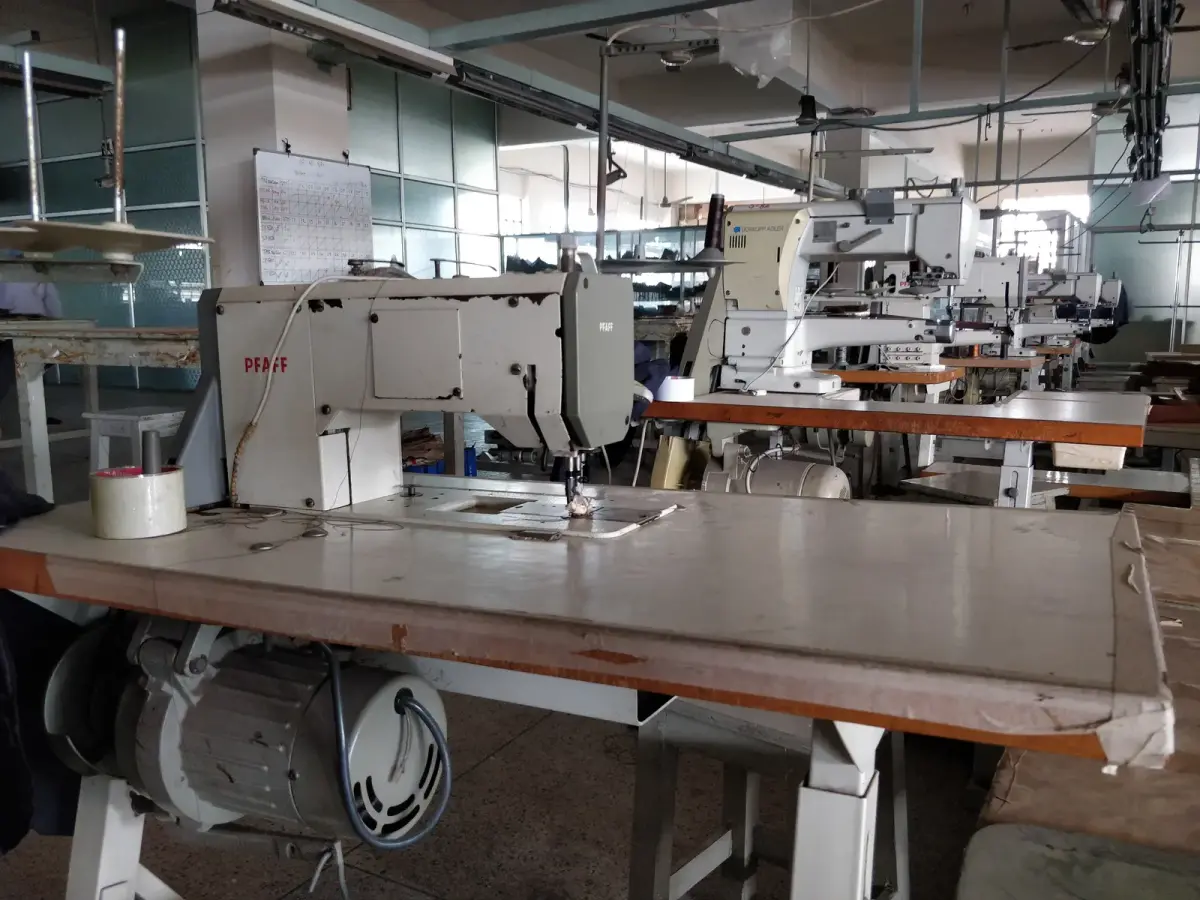
    How Do Managers’ Beliefs about New Technologies Evolve? Informational Interventions and the Adoption of Energy-Efficient Stitching Motors in Bangladesh

    Client
    Office of the Chief Economist for South Asia (SARCE), The World Bank, with Johns Hopkins University and Columbia University
    Role of IP3 Expert
    ST Consultant
    Period
    Feb 2019 – Jun 2022
    Reference
    RCT study, Textile & Leather Sector
    Geography
    Bangladesh

    A randomised controlled trial with the World Bank, Johns Hopkins and Columbia on how managers’ beliefs about energy-efficient stitching motors change with information: design support, piloting, implementation and analysis.

    Recorded activities

    • Assisted research investigators in research design, and piloting and implementing of interventions.
    • Coordinated implementation, data collection, and field operations and conducted data analysis.
    • Collaborated with professors from Columbia University and Johns Hopkins University, and lead economists from the World Bank.

    Methods

    RCT design supportIntervention pilotingField data collectionData analysis

    Economics · Data stories · Technology · Research

    • E Economics: Demonstrated
    • D Data stories: Demonstrated
    • T Technology: Demonstrated
    • R Research: Demonstrated

    Capabilities shown

    The record describes the role in the trial, not its findings.

  19. Source: =SOURCE(Founder CV, signed 09/09/2026 · Municipal Governance & Services Project (MGSP))

    B13 · Development Finance · Institutions · Data, Digital & AI

    Green Municipal Infrastructure Development — Operation Support & Capacity Building of BMDF

    Client
    The World Bank and Ministry of Finance, Government of Bangladesh
    Role of IP3 Expert
    Economic, Business, Financial & Market Plan Development Specialist
    Period
    Sep 2019 – Jun 2020
    Reference
    Municipal Governance & Services Project (MGSP)
    Geography
    Bangladesh

    10-yearfinancial roadmapIn scope — not an outcome

    Viability, cost-benefit analysis and a ten-year financial roadmap for municipal renewable energy, street lighting and waste-to-energy, with GIS-informed investment pipelines.

    Recorded activities

    • Integrated spatial data using GIS for planning in pourashavas and developed infrastructure investment pipelines informed by geospatial analysis.
    • Developed a 10-year financial roadmap interlinked with national development plans and SDG targets, outlining funding mechanisms, investment strategies and revenue-generation models.
    • Conducted economic and financial cost-benefit analyses for proposed renewable energy initiatives, assessing viability, payback periods and socio-economic impacts.
    • Conducted financial risk assessments and sensitivity analyses of policy and economic fluctuations.
    • Contributed financial-planning and project-design inputs for environment-friendly municipal infrastructure projects incorporating solar-powered public facilities, energy-efficient street lighting and waste-to-energy systems.

    Methods

    10-year financial roadmapCost-benefit analysisGIS-informed investment pipelinesSensitivity analysisFinancial risk assessment

    Economics · Data stories · Technology · Research

    • E Economics: Demonstrated
    • D Data stories: Demonstrated
    • T Technology: Demonstrated
    • R Research: Not recorded

    Capabilities shown

    Also in IP3 selected engagementsOperation Support & Capacity Building (OSCB) for the Municipal Development Fund

    The record covers planning and analytical inputs; financing outcomes are not claimed.

  20. Source: =SOURCE(Founder CV, signed 09/09/2026 · IFAD & Bangladesh Association for Social Advancement)

    B32 · MEL & Impact

    End-line study — beekeeping livelihoods under Promoting Agricultural Commercialization and Enterprises (PACE)

    Client
    IFAD & Bangladesh Association for Social Advancement
    Role of IP3 Expert
    Executive Director & Head of Research, NVSL
    Period
    May 2019

    End-line study of beekeeping livelihoods under the Promoting Agricultural Commercialization and Enterprises (PACE) program, for IFAD and the Bangladesh Association for Social Advancement.

    Methods

    End-line evaluationAnalysis and end-line report

    Economics · Data stories · Technology · Research

    • E Economics: Not recorded
    • D Data stories: Partial
    • T Technology: Not recorded
    • R Research: Demonstrated

    Capabilities shown

  21. Source: =SOURCE(Founder CV, signed 09/09/2026 · Under Detailed Techno-Economic Feasibility Study and Conceptual Port Master Planning)

    B7 · Development Finance · Program Design

    Technical Advice for Economic and Financial Analysis to Payra Seaport Authority

    Client
    Payra Seaport Authority, Government of Bangladesh
    Role of IP3 Expert
    Economic Advisor
    Period
    Apr 2018 – Dec 2018
    Reference
    Under Detailed Techno-Economic Feasibility Study and Conceptual Port Master Planning
    Geography
    Bangladesh

    15-yearfinancial modelIn scope — not an outcome

    Economic and financial analysis to support infrastructure investment decisions for Payra Seaport Authority, including a 15-year financial model.

    Recorded activities

    • Supported the management team of Payra Port Authority, providing technical advice to assess the economic prospects of Payra Sea Port.
    • Facilitated measures to incorporate accurate economic and financial feasibility analysis into the special economic and financial report produced by third-party consultants.
    • Project cost-benefit and economic and financial analysis.
    • Developed a 15-year model showing income, expenditure, capital expenditure, annual P&L including EBIT, EBITDA and pre-tax profit, annual balance sheet and project IRR.

    Methods

    15-year financial modelProject IRRCost-benefit analysisCost-recovery strategy

    Economics · Data stories · Technology · Research

    • E Economics: Demonstrated
    • D Data stories: Not recorded
    • T Technology: Not recorded
    • R Research: Not recorded

    Capabilities shown

    The record covers technical advice and a 15-year financial model; the feasibility study itself was produced by third-party consultants.

  22. Source: =SOURCE(Founder CV, signed 09/09/2026 · DFID-funded Business Innovation Facility, PwC UK, Tufts University, GSK, Marks & Spencer, CARE International)

    B19 · MEL & Impact · Data, Digital & AI

    HALOW+ — Health Access and Linkage Opportunities for Workers

    Client
    DFID-funded Business Innovation Facility, PwC UK, Tufts University, GSK, Marks & Spencer, CARE International
    Role of IP3 Expert
    M&E Adviser and Impact Evaluation Expert for the entire program partnership
    Period
    Apr 2018 – Apr 2020
    Geography
    Bangladesh

    M&E adviser and impact evaluation expert for the HALOW+ partnership: a randomised trial, health and productivity databases, cost-benefit and business value analysis.

    Recorded activities

    • Economic, financial and cost-benefit analysis across the partnership.
    • Curated comprehensive health and productivity databases and introduced quantitative business models that informed community welfare investment decisions.
    • Implemented an RCT study, collected and analyzed data, and wrote reports.
    • Managed the M&E team, monitored project activities and data quality control.
    • Collected factory data for Business Value Analysis for PwC.

    Methods

    RCTCost-benefit analysisHealth and productivity databasesQuantitative business modelsBusiness value analysis

    Economics · Data stories · Technology · Research

    • E Economics: Demonstrated
    • D Data stories: Demonstrated
    • T Technology: Not recorded
    • R Research: Demonstrated

    Capabilities shown

  23. Source: =SOURCE(Founder CV, signed 09/09/2026 · TA for preparatory activities of Dhaka sewerage network, wastewater treatment plant, non-network sanitation and septage management)

    B20 · MEL & Impact · Program Design

    Dhaka Sanitation Improvement Project — M&E and Results Framework

    Client
    The World Bank and SODEV International Consulting
    Role of IP3 Expert
    M&E and Result Measurement Expert (International)
    Period
    Apr 2018 – Jun 2019
    Reference
    TA for preparatory activities of Dhaka sewerage network, wastewater treatment plant, non-network sanitation and septage management
    Geography
    Bangladesh

    5-yearoperation’s results frameworkIn scope — not an outcome

    An M&E and results framework for a five-year World Bank sanitation operation in Dhaka.

    Recorded activities

    • Designed the M&E and results framework for the 5-year operation of the DSIP project.

    Methods

    M&E frameworkResults framework

    Economics · Data stories · Technology · Research

    • E Economics: Not recorded
    • D Data stories: Not recorded
    • T Technology: Not recorded
    • R Research: Demonstrated

    Capabilities shown

  24. Source: =SOURCE(Founder CV, signed 09/09/2026 · Special Purpose Company formulation for Special Economic Zone development)

    B21 · Institutions · Development Finance

    Equity Investment Policy and Guideline for BIFFL and BEZA

    Client
    New Vision Solutions Limited with JICA & Japan Development Institute
    Role of IP3 Expert
    Executive Director & Head of Research, NVSL
    Period
    2017
    Reference
    Special Purpose Company formulation for Special Economic Zone development
    Geography
    Bangladesh

    Equity investment policy, special-purpose company formulation, shareholder and project agreements for BIFFL and BEZA, supporting the JICA team.

    Recorded activities

    • Coordinated with Japan Development Institute and JICA in the capacity development of BEZA and BIFFL.
    • Prepared documentation, SPC formulation, shareholder agreement, equity investment policy and project agreement as special assistance activities for Special Economic Zone development.

    Methods

    Equity investment policySpecial purpose company formulationInstitutional capacity development

    Economics · Data stories · Technology · Research

    • E Economics: Demonstrated
    • D Data stories: Not recorded
    • T Technology: Not recorded
    • R Research: Demonstrated

    Capabilities shown

  25. Source: =SOURCE(Founder CV, signed 09/09/2026 · OMERA (East Coast Group))

    B33 · Program Design · Development Finance

    Feasibility study — storage and distribution system for selected petrochemicals (BDT 700 crore capital investment)

    Client
    OMERA (East Coast Group)
    Role of IP3 Expert
    Team Lead
    Period
    May 2017

    BDT 700 crorecapital investment in scopeIn scope — not an outcome

    Financial, business and market feasibility study of a storage and distribution system for selected petrochemicals, with a 10-year projection and sensitivity analysis, for OMERA (East Coast Group).

    Methods

    Financial feasibilityBusiness and market feasibility10-year projectionSensitivity analysis

    Economics · Data stories · Technology · Research

    • E Economics: Demonstrated
    • D Data stories: Not recorded
    • T Technology: Not recorded
    • R Research: Partial

    Capabilities shown

    BDT 700 crore is the capital investment in scope, not funds raised. The outcome of the studied project is not part of this record.

  26. Source: =SOURCE(Founder CV, signed 09/09/2026 · Korean Institute of Industrial Economics & Trade (KIET))

    B34 · Policy & Economics

    Value Chain Mapping for 10 Selected Industries in Bangladesh

    Client
    Korean Institute of Industrial Economics & Trade (KIET)
    Role of IP3 Expert
    Team Leader
    Period
    2017

    10industries mappedIn scope — not an outcome

    Value-chain mapping of 10 selected industries in Bangladesh for the Korean Institute of Industrial Economics & Trade (KIET), with a firm survey and competitiveness analysis.

    Methods

    Value-chain mappingFirm surveyIndustry competitiveness analysis

    Economics · Data stories · Technology · Research

    • E Economics: Demonstrated
    • D Data stories: Demonstrated
    • T Technology: Not recorded
    • R Research: Demonstrated

    Capabilities shown

  27. Source: =SOURCE(Founder CV, signed 09/09/2026 · Sumitomo Corporation, Japan)

    B35 · Policy & Economics

    Market demand, industry competitiveness and supply chain mapping for hot-rolled, cold-rolled and coated steel

    Client
    Sumitomo Corporation, Japan
    Role of IP3 Expert
    Team Leader
    Period
    2017

    Market demand, industry competitiveness and supply-chain mapping for hot-rolled, cold-rolled and coated steel, for Sumitomo Corporation, Japan.

    Methods

    Market demand analysisSupply-chain mappingIndustry competitiveness analysisSurvey

    Economics · Data stories · Technology · Research

    • E Economics: Demonstrated
    • D Data stories: Partial
    • T Technology: Not recorded
    • R Research: Demonstrated

    Capabilities shown

  28. Source: =SOURCE(Founder CV, signed 09/09/2026 · JETRO Bangladesh)

    B36 · Policy & Economics

    Survey on Case Study of BOP Business in Bangladesh

    Client
    JETRO Bangladesh
    Role of IP3 Expert
    Team Lead
    Period
    May 2017

    12business cases analysedIn scope — not an outcome

    Survey and case studies of base-of-pyramid business in Bangladesh for JETRO Bangladesh; 12 business cases analysed for economic profit and social value.

    Methods

    Case-study analysisSurveyEconomic profit and social value

    Economics · Data stories · Technology · Research

    • E Economics: Demonstrated
    • D Data stories: Not recorded
    • T Technology: Not recorded
    • R Research: Demonstrated

    Capabilities shown

  29. Source: =SOURCE(Founder CV, signed 09/09/2026 · World Bank Project ID P150086)

    B12 · MEL & Impact · Development Finance

    Evaluation of the Energy Sector Management Assistance Program (ESMAP) and Asia Sustainable Alternative Energy Program (ASTAE)

    Client
    The World Bank & ICF International, UK
    Role of IP3 Expert
    External Evaluator
    Period
    Aug 2015 – Jun 2016
    Reference
    World Bank Project ID P150086
    Geography
    Bangladesh & Nepal

    Ex-post financial and economic evaluation of energy programmes in Bangladesh and Nepal: CAPEX, OPEX, ROI and the levelised cost of energy, compared with the original projections.

    Recorded activities

    • Conducted a comprehensive financial and economic evaluation of completed renewable energy projects supported by ESMAP and ASTAE.
    • Evaluated actual financial performance by analyzing CAPEX, OPEX, return on investment, and levelized cost of energy against initial projections.
    • Conducted cost-benefit analysis to determine whether projects achieved their intended financial and economic objectives.
    • Compared actual financial and economic outcomes with the initial feasibility studies to identify gaps and lessons learned.

    Methods

    Ex-post evaluationCAPEX and OPEX analysisReturn on investmentLCOECost-benefit analysis

    Economics · Data stories · Technology · Research

    • E Economics: Demonstrated
    • D Data stories: Not recorded
    • T Technology: Demonstrated
    • R Research: Demonstrated

    Capabilities shown

    Geography as recorded in the portfolio; the CV lists it once as Bangladesh & Nepal and once as Bangladesh.

  30. Source: =SOURCE(Founder CV, signed 09/09/2026 · CLASP International & Prokaushali Shangsad Ltd)

    B24 · Development Finance · MEL & Impact

    Clean Energy Financing Program — Global Lighting & Energy Access Partnership

    Client
    CLASP International & Prokaushali Shangsad Ltd
    Role of IP3 Expert
    Senior Associate — Clean Energy Access
    Period
    Jun 2015 – Jun 2016
    Geography
    Bangladesh

    4-yearM&E frameworkIn scope — not an outcome

    Results-based financing design for Global LEAP: viability-gap estimation, cost-recovery frameworks, cost-benefit analysis and a four-year M&E framework.

    Recorded activities

    • Designed and implemented a results-based financing strategy bridging viability gaps for Solar Home System companies.
    • Prepared the 4-year Global LEAP results-based financing M&E framework and implementation plan.
    • Designed results-based financing incentives and cost-recovery frameworks for off-grid renewable energy directed at SHS companies.
    • Estimated the viability gap (value for money) the stimulus would address; led industry matchmaking, market development and cost-benefit analysis.

    Methods

    Results-based financing designViability-gap estimationCost-recovery frameworkCost-benefit analysis4-year M&E framework

    Economics · Data stories · Technology · Research

    • E Economics: Demonstrated
    • D Data stories: Partial
    • T Technology: Demonstrated
    • R Research: Not recorded

    Capabilities shown

    The record describes strategy design and viability-gap estimation; results are not claimed.

  31. Source: =SOURCE(Founder CV, signed 09/09/2026 · Regional Technical Assistance Project RETA 7743, Phases I–III)

    B23 · Data, Digital & AI · Institutions

    Strengthening Institutional Capacity to Compile and Analyze Financial Soundness Indicators

    Client
    Asian Development Bank
    Role of IP3 Expert
    National Consultant
    Period
    2014 – 2015
    Reference
    Regional Technical Assistance Project RETA 7743, Phases I–III
    Geography
    Bangladesh

    400non-financial corporations’ balance sheetsIn scope — not an outcome

    National consultant on ADB’s regional technical assistance for financial soundness indicators: balance-sheet data for 400 non-financial corporations and indicator guidelines for Bangladesh Bank and the Bangladesh Bureau of Statistics.

    Recorded activities

    • Assessed national accounts activities with focus on financial intermediation sectors and financial balance sheet information for 400 non-financial corporations across major economic sectors in five divisions.
    • Designed Indicator Development Guidelines for Bangladesh Bank and the Bangladesh Bureau of Statistics for compiling and analyzing Financial Soundness Indicators.

    Methods

    Financial soundness indicatorsBalance-sheet data analysisNational accounts assessmentIndicator guidelines

    Economics · Data stories · Technology · Research

    • E Economics: Demonstrated
    • D Data stories: Demonstrated
    • T Technology: Not recorded
    • R Research: Demonstrated

    Capabilities shown

    The founder led this work at SANEM (South Asian Network on Economic Modeling), before IP3. It is shown as the founder’s experience, not as IP3’s work.

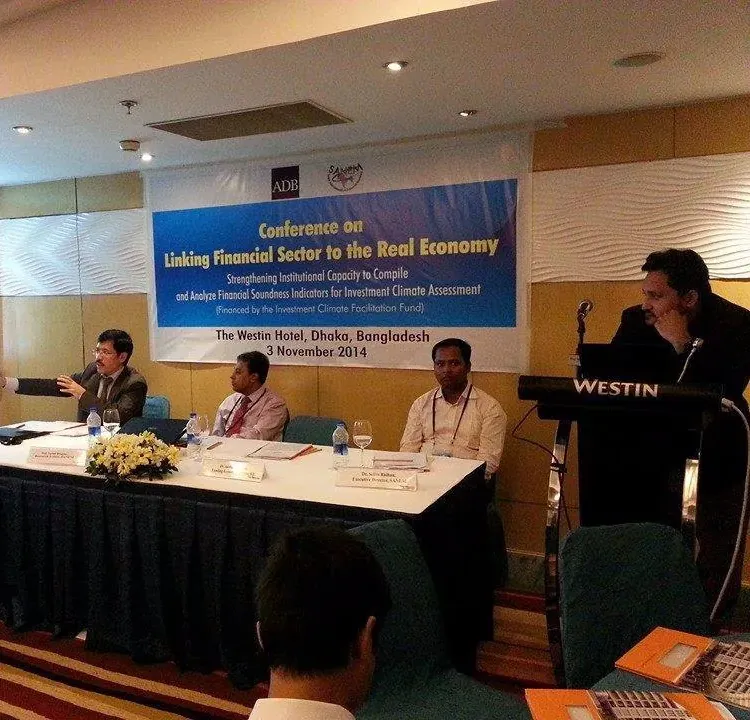
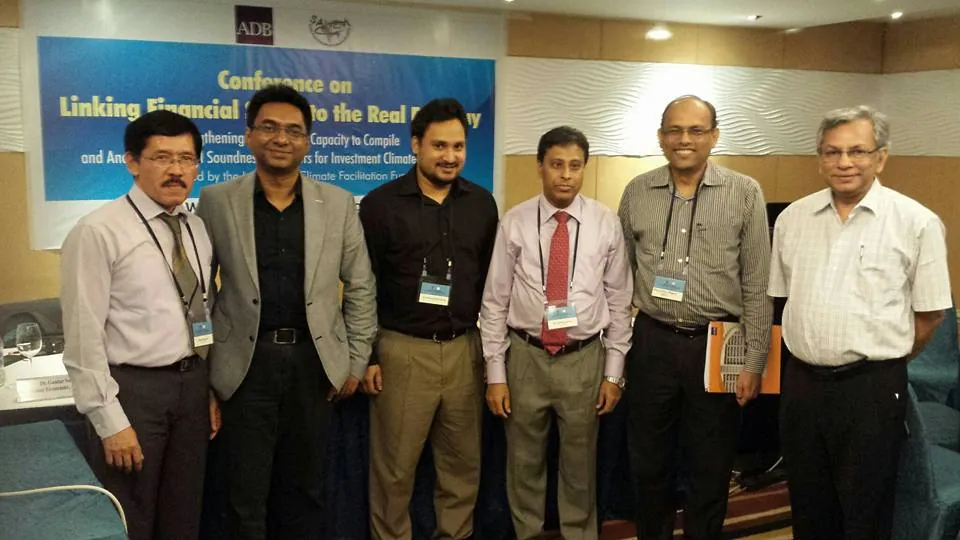
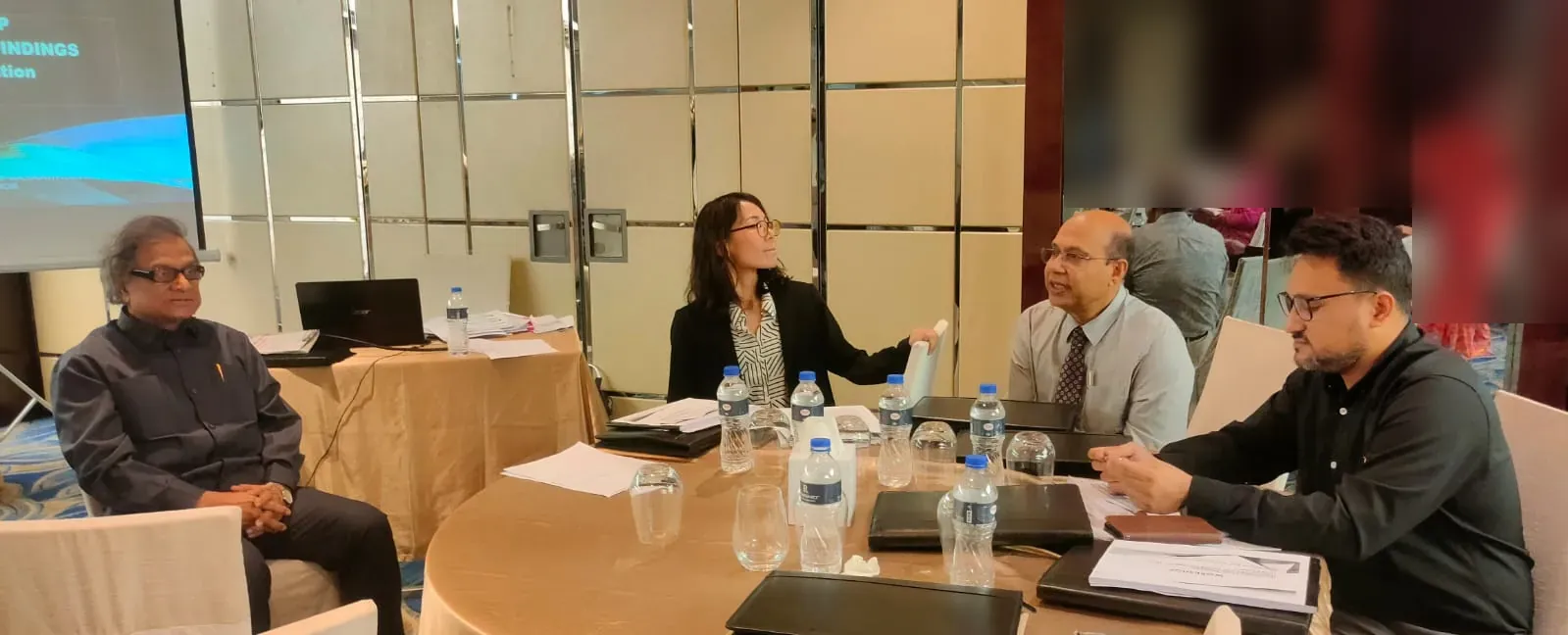
    Head table and podium at a conference in a hotel hall. The banner behind them carries the ADB and SANEM logos and reads ‘Conference on Linking Financial Sector to the Real Economy’, The Westin Hotel, Dhaka, 3 November 2014. Three people sit at the table and a speaker stands at the podium.
    In the room · Conference on Linking Financial Sector to the Real Economy · The Westin Hotel, Dhaka · 2014
  32. Source: =SOURCE(Founder CV, signed 09/09/2026 · IFC flagship project with the UK Government and the European Union)

    B22 · Institutions · MEL & Impact · Data, Digital & AI

    Bangladesh Investment Climate Fund — Business Regulation, Regulatory Framework and Institutional Reforms

    Client
    IFC — World Bank Group
    Role of IP3 Expert
    Research and Evaluation Coordinator / Result Measurement Consultant
    Period
    2013 – 2015
    Reference
    IFC flagship project with the UK Government and the European Union
    Geography
    Bangladesh

    20simplification and automation projects evaluatedIn scope — not an outcome

    Results measurement and evaluation for IFC’s Bangladesh Investment Climate Fund: RBM tools, business confidence surveys, and evaluation of 20 simplification and automation projects.

    Recorded activities

    • Led the research and evaluation team and managed monitoring and implementation activities.
    • Designed and implemented a Result Based Measurement and M&E framework and tools.
    • Created platforms for broad-based public-private dialogue on policy formulation and generated reform options.
    • Evaluated 20 simplification and automation projects — including IRC renewal, IRC/ERC issuance, E-TIN automation of tax registration, BSTI certification mark registration, Board of Investment processes, Business Confidence Survey 2014–16, DPDT designs and trademarks, and e-payments.

    Methods

    RBM and M&E frameworkProject evaluationBusiness Confidence SurveyPublic-private dialogue platforms

    Economics · Data stories · Technology · Research

    • E Economics: Demonstrated
    • D Data stories: Demonstrated
    • T Technology: Demonstrated
    • R Research: Demonstrated

    Capabilities shown

    The 20 simplification and automation projects are counted as evaluated; the role was research and evaluation coordination.

  33. Source: =SOURCE(Founder CV, signed 09/09/2026 · IFC — World Bank Group)

    B25 · Policy & Economics · Data, Digital & AI

    South Asian Regional Trade Initiative — Cargo Loss and Damage Study

    Client
    IFC — World Bank Group
    Role of IP3 Expert
    Research and Evaluation Coordinator
    Period
    Mar 2013 – Dec 2015
    Geography
    South Asia — Bangladesh, India, Nepal

    A regional trade-logistics study for IFC using historical trader data (2007–2013) on cargo loss and damage across Bangladesh, India and Nepal.

    Recorded activities

    • Led research and implementation teams on ease of transaction and storage facilities for trading, to mitigate constraints in regional trade and investment.
    • Managed survey, monitoring and implementation activities, data analysis and report writing.

    Methods

    Historical trader-data collectionSurvey managementData analysis

    Economics · Data stories · Technology · Research

    • E Economics: Demonstrated
    • D Data stories: Not recorded
    • T Technology: Demonstrated
    • R Research: Demonstrated

    Capabilities shown

  34. Source: =SOURCE(Founder CV, signed 09/09/2026 · Phase 1 ex-ante assessment; Phase 2 RCT (RATIOS))

    B26 · MEL & Impact · Data, Digital & AI

    TIGA — Technology Assessment and Farm Household Segmentation for Inclusive Poverty Reduction

    Client
    Bill and Melinda Gates Foundation
    Role of IP3 Expert
    Senior Research Associate
    Period
    Jan 2012 – Jan 2013
    Reference
    Phase 1 ex-ante assessment; Phase 2 RCT (RATIOS)
    Geography
    Bangladesh

    Ex-ante impact assessment and farm-household segmentation for inclusive technology adoption, with baseline and endline surveys and RCT design support, for the Gates Foundation.

    Recorded activities

    • Assessed (ex-ante) the likely impact of major agricultural crop innovations and productivity growth programs on workforce productivity and livelihoods across strata of the poor.
    • Developed a rollout strategy for major innovations based on the assessment.
    • Designed project interventions and MRM systems; prepared questionnaires and methodology for baseline and endline surveys; conducted survey and data analysis.
    • Presented at an international seminar and co-authored a book chapter.
    • Supported the team leader in designing a 4-year intervention programme using RCT methodology with ZEF, University of Bonn.

    Methods

    Ex-ante impact assessmentFarm-household segmentationBaseline and endline surveysMRM systemsRCT design support

    Economics · Data stories · Technology · Research

    • E Economics: Demonstrated
    • D Data stories: Demonstrated
    • T Technology: Demonstrated
    • R Research: Demonstrated

    Capabilities shown

    The role in the randomised trial was design support. The book chapter’s citation is not in the record.

  35. Source: =SOURCE(Founder CV, signed 09/09/2026 · Prokaushali Shangsad Ltd)

    B37 · Development Finance · Policy & Economics

    Developing energy-efficient off-grid appliance market in Bangladesh

    Client
    Prokaushali Shangsad Ltd
    Role of IP3 Expert
    Energy Economist
    Period
    December 2009 – May 2011

    Development of an energy-efficient off-grid appliance market in Bangladesh for Prokaushali Shangsad Ltd: market, ROI, payback, subsidy, microfinance and results-based financing analysis, and a cost-benefit analysis of economic, social and environmental benefits.

    Methods

    Market analysisROI and payback analysisSubsidy, microfinance and RBF analysisCost-benefit analysis

    Economics · Data stories · Technology · Research

    • E Economics: Demonstrated
    • D Data stories: Not recorded
    • T Technology: Demonstrated
    • R Research: Demonstrated

    Capabilities shown

  36. Source: =SOURCE(Founder CV, signed 09/09/2026 · Pilot project on electricity reforms in Bangladesh, India (West Bengal, Rajasthan) and Nepal)

    B27 · Policy & Economics · Development Finance

    Regulatory Reform in the Electricity Sector in South Asia (RESA)

    Client
    CUTS International & Unnayan Shamannay
    Role of IP3 Expert
    Research Associate
    Period
    Jan 2008 – Aug 2010
    Reference
    Pilot project on electricity reforms in Bangladesh, India (West Bengal, Rajasthan) and Nepal
    Geography
    Bangladesh, India, Nepal

    Economic and financial feasibility of electricity regulatory reforms in Bangladesh, India and Nepal: tariffs, cost recovery, subsidies and a comparative cost-benefit analysis.

    Recorded activities

    • Conducted economic and financial feasibility assessments of the impact of electricity reforms on market structures, pricing mechanisms and investment frameworks.
    • Analyzed tariff structures, cost-recovery models and subsidy mechanisms against financial sustainability and consumer affordability.
    • Developed financial models to assess public-private partnership potential, identifying investment opportunities and financial risks.
    • Conducted comparative cost-benefit analysis of regulatory frameworks across Bangladesh, India and Nepal.

    Methods

    Tariff and cost-recovery analysisSubsidy and affordability analysisFinancial modellingComparative cost-benefit analysis

    Economics · Data stories · Technology · Research

    • E Economics: Demonstrated
    • D Data stories: Not recorded
    • T Technology: Not recorded
    • R Research: Demonstrated

    Capabilities shown

  37. Source: =SOURCE(Founder CV, signed 09/09/2026 · Tobacco-Free Kids, USA)

    B28 · Policy & Economics

    Policy Analysis for Tobacco Taxation

    Client
    Tobacco-Free Kids, USA
    Role of IP3 Expert
    Researcher
    Period
    Jan 2008 – Dec 2008
    Geography
    Bangladesh

    Price-elasticity estimation, a tax-administration review and advocacy — roundtables, direct lobbying and media — for effective tobacco taxation.

    Recorded activities

    • Prepared advocacy materials and drafted taxation rules and guidelines.
    • Organized roundtables and conferences with policymakers; direct lobbying, policy, media advocacy and capacity building.
    • Literature review on tobacco prices and revenues; determination of price elasticity; review of tax administration and enforcement.
    • Analysis of tobacco markets and industry, socio-economic impact, and the feasibility of earmarking tobacco taxes.

    Methods

    Price-elasticity estimationTax-administration reviewMarket and industry analysisEarmarking feasibilityPolicy advocacy

    Economics · Data stories · Technology · Research

    • E Economics: Demonstrated
    • D Data stories: Not recorded
    • T Technology: Not recorded
    • R Research: Demonstrated

    Capabilities shown

    The record describes advocacy activities; policy outcomes are not claimed.

Discuss a similar assignment
In the room

Workshops, panels and fieldwork where the evidence was presented.

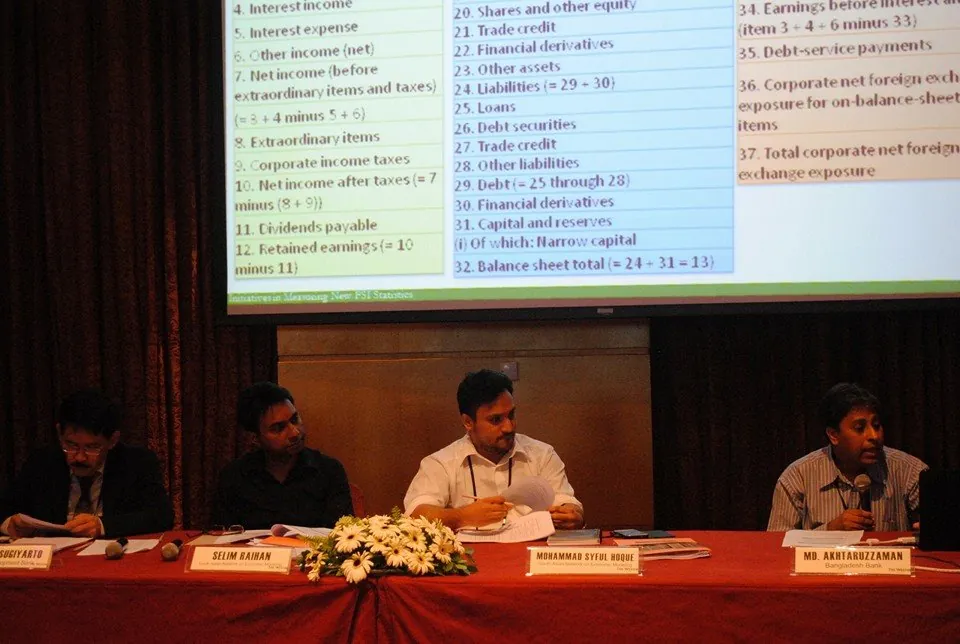
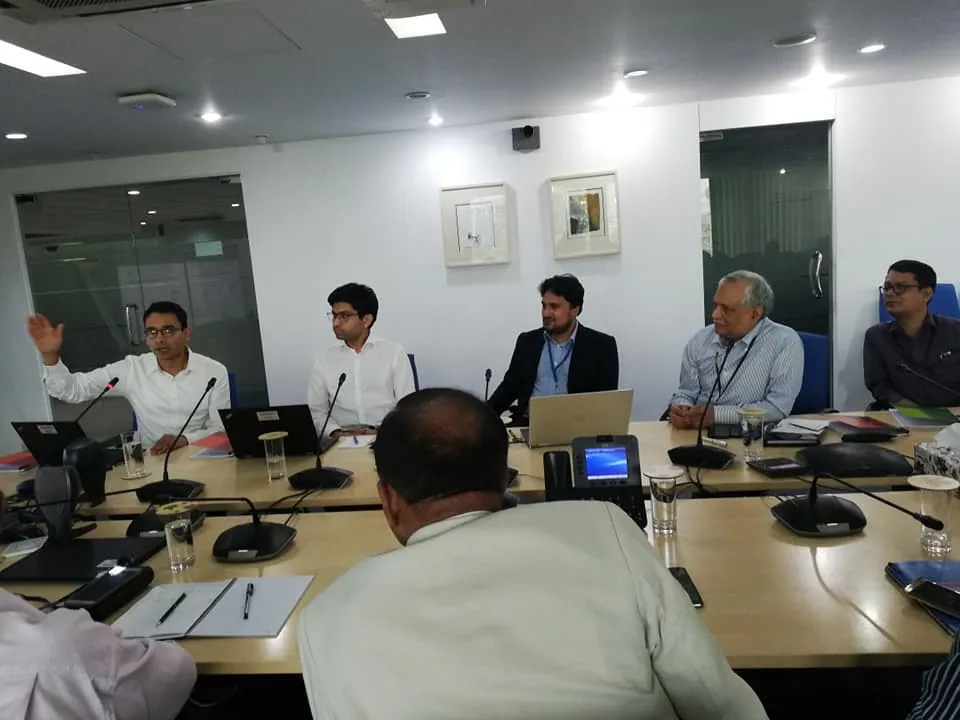
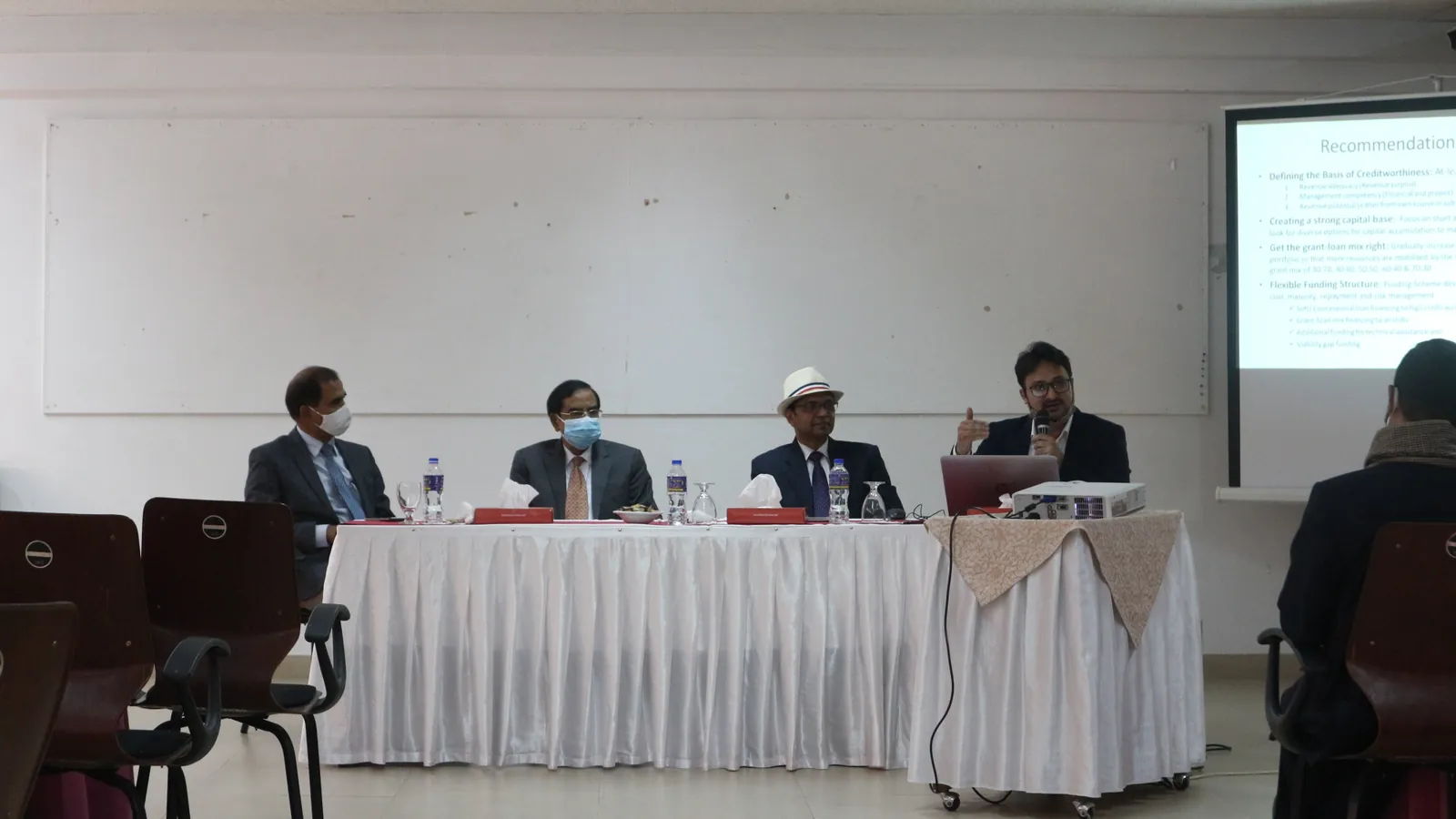
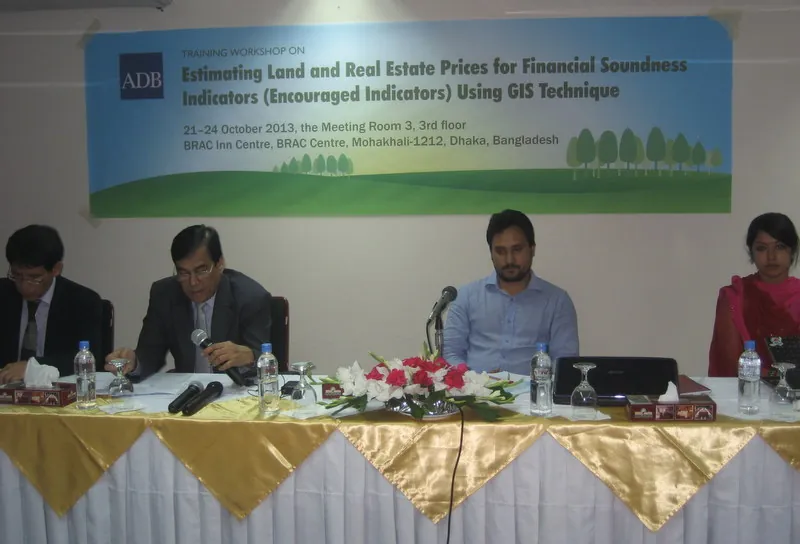
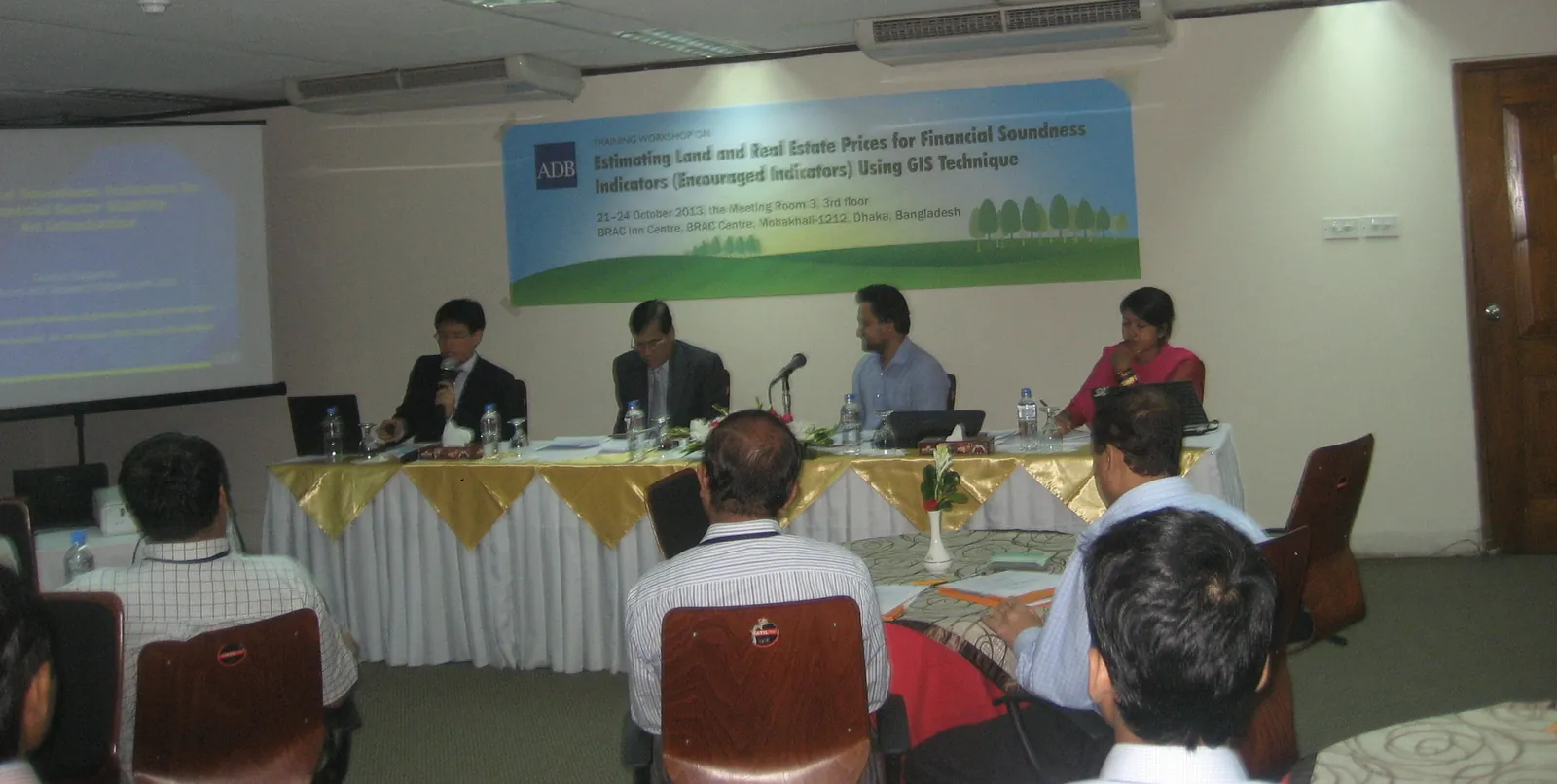
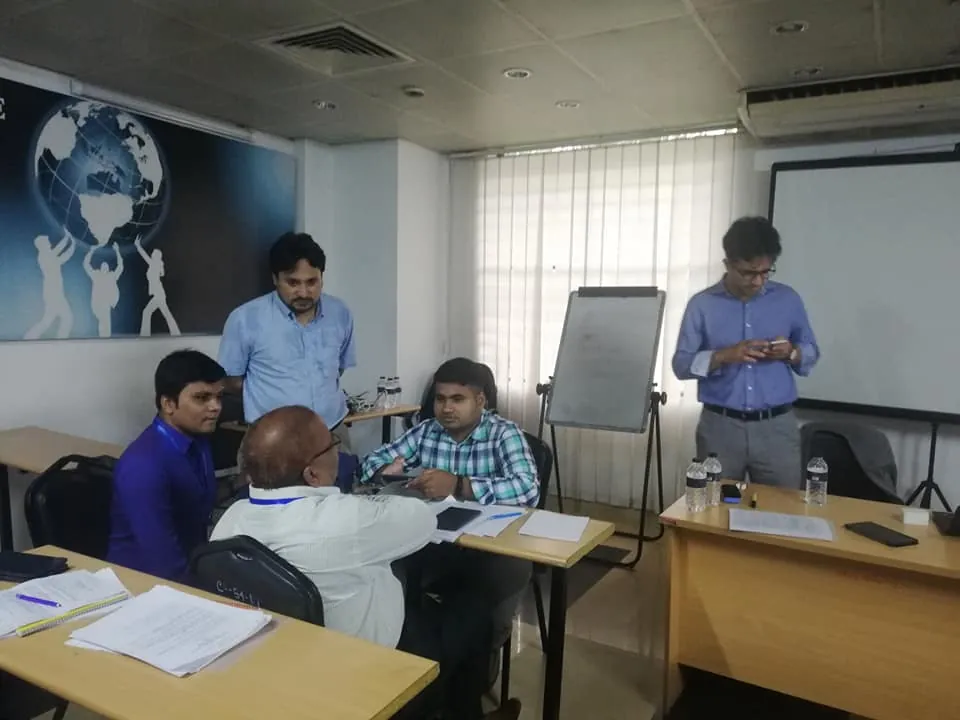
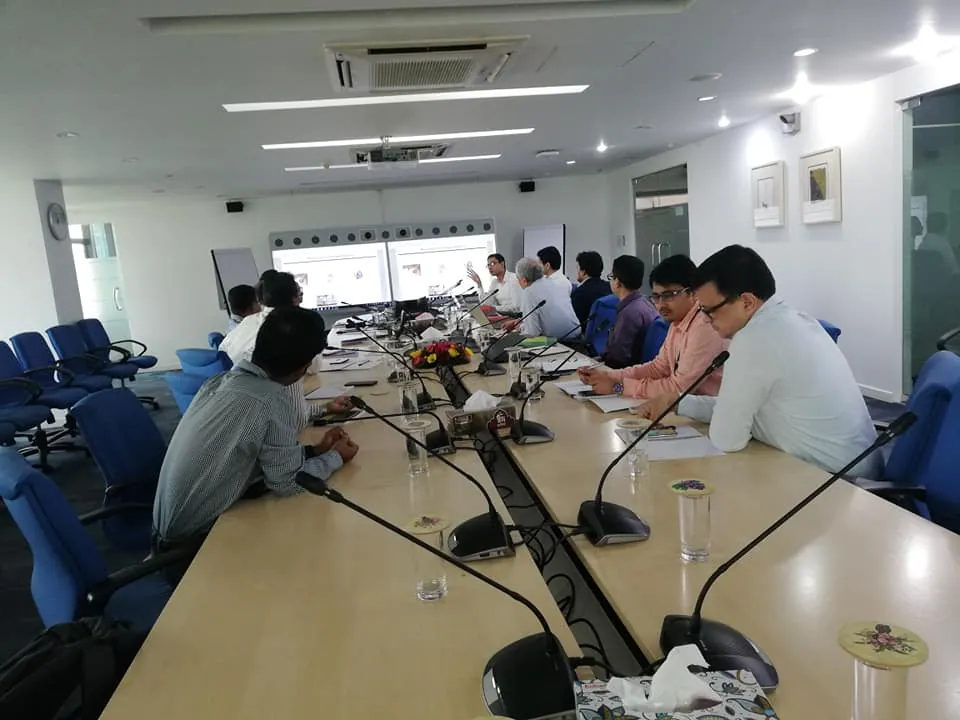
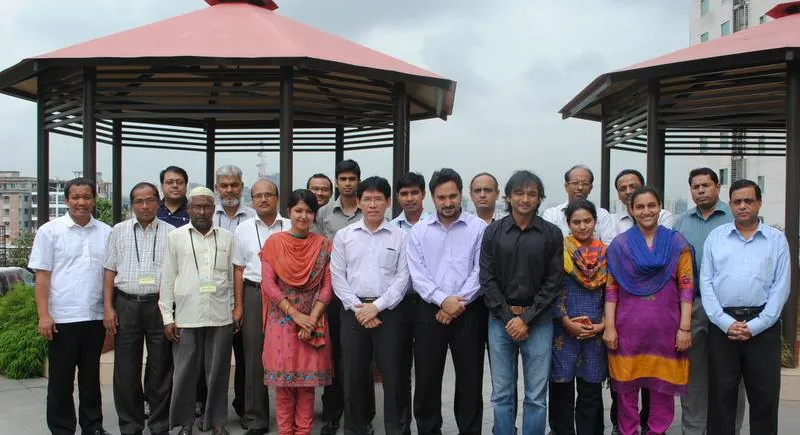
Training workshops and a conference held under ADB banners, expert panels, stakeholder meetings and an enumerator training for a nationwide firm survey.

1 / 16 photos

Each caption states only what the photograph shows. Some events predate IP3 and show the founder’s work with other organisations, such as SANEM.

On film

Short films on the issues we work on.

Short films produced by the Institute for Public Policy & Practice (IP3), the research entity of IP3 Consulting Limited, on climate action, the circular economy, ESG and cities.

Now playing · 0:30

IP3 brand film

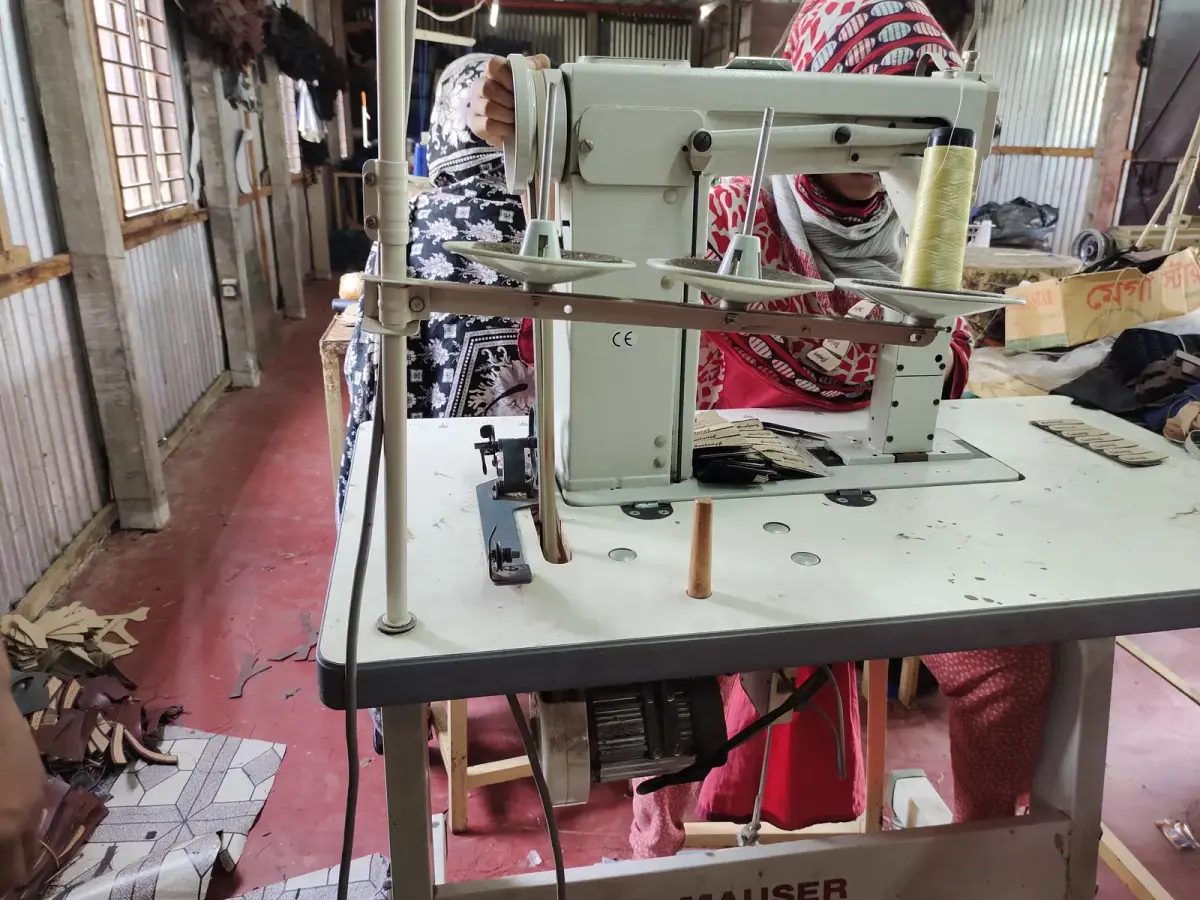
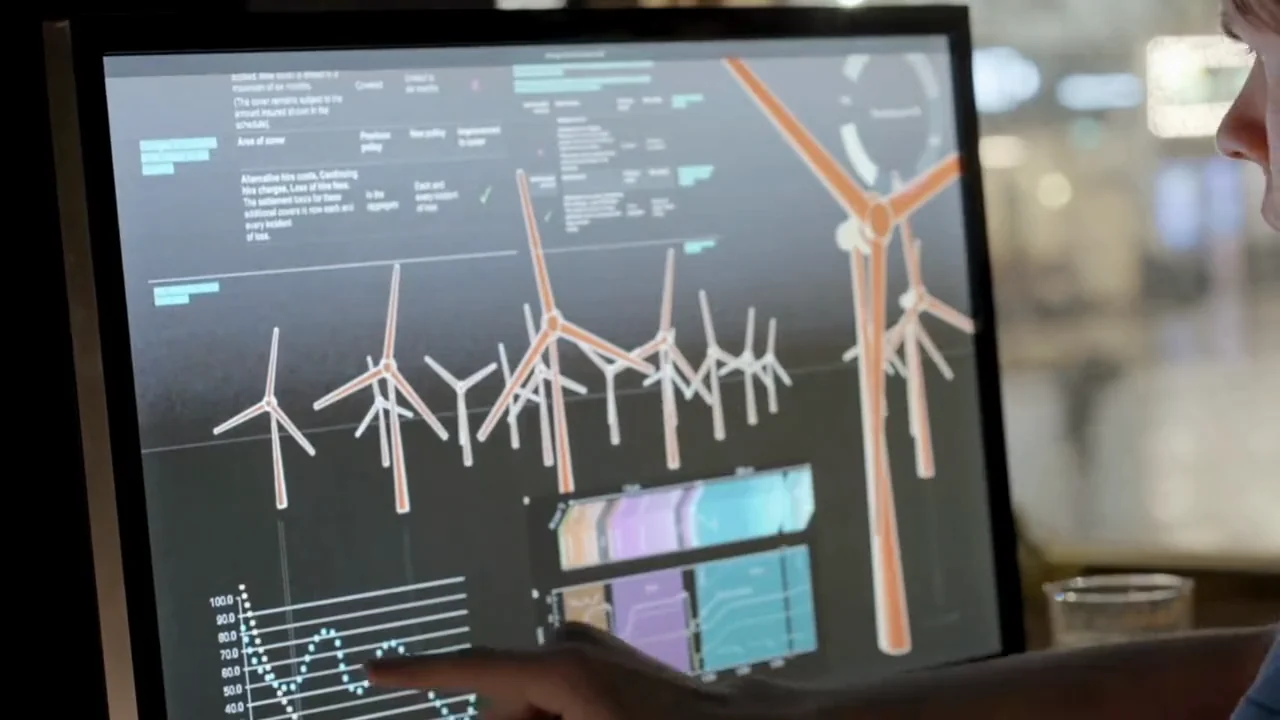
A 30-second film: a sewing machine in close-up, climate and energy data on a touchscreen, the circular economy projects title card, and a closing card with the line From polycrisis to polysolution.

Related capability: Policy & Economics
  1. 0:30 IP3 brand filmA 30-second film: a sewing machine in close-up, climate and energy data on a touchscreen, the circular economy projects title card, and a closing card with the line From polycrisis to polysolution.
  2. 0:05 Circular economy projectsAn animated IP3 Consulting title card reading Circular Economy Projects, with the labels Economic Model, Circular and Regenerative Approach.
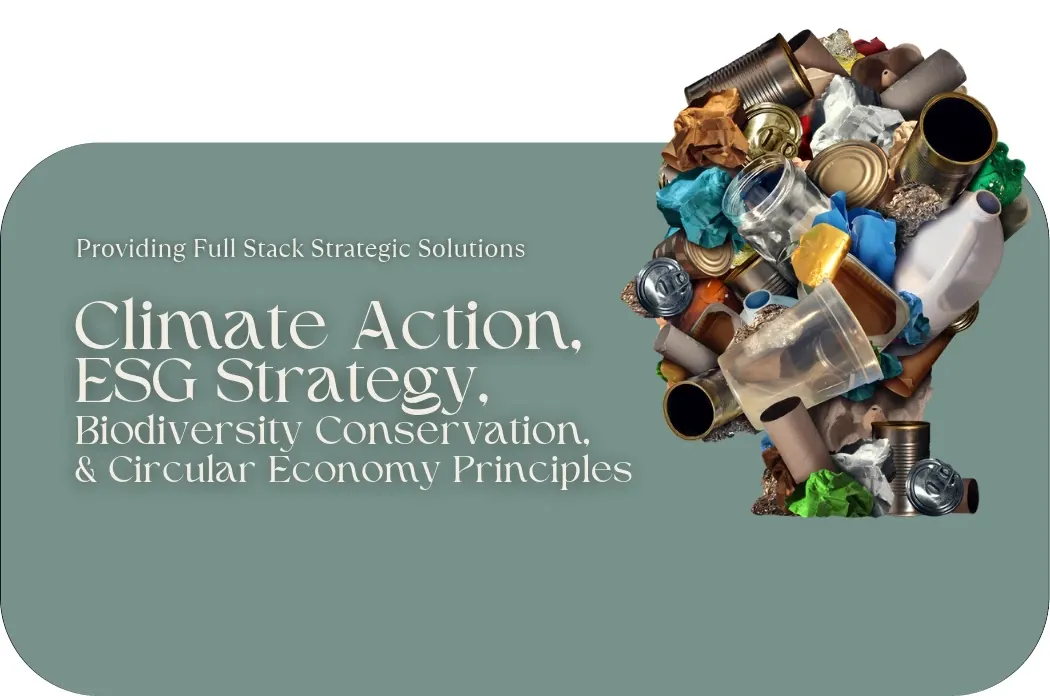
  3. 0:07 Climate action, circular economy and ESGAnimated title cards reading Climate Action, Circular Economy, Environment, and Environment Social Governance (ESG).
  4. 0:10 High-rise towers and a city skylineA slow shot from height past glass high-rise towers, with the city spread out below.
  5. 0:14 Climate and energy data on a touchscreenA hand moves through charts, wind-turbine models and solar-panel diagrams on a large touchscreen.
  6. 1:05 About IP3 introduction filmA 1-minute film that opens on the line ‘In an era of rapid digital and technological transformation’ over a robotic hand, then moves through animated arrows and a team photo under the word ‘our’.
  7. 0:05 Climate action, ESG strategy, biodiversity conservation and circular economy principlesAn animated title card reading Climate Action, ESG Strategy, Biodiversity Conservation & Circular Economy Principles, beside a head made of recycled materials.
How an engagement starts

Every engagement can begin at any stage.

01

Diagnose

Map systems, institutions, incentives, data ecosystems, risks and underlying policy constraints.

02

Co-design

Combine evidence, stakeholder knowledge and action research to develop practical policies, programs, regulatory frameworks and institutional solutions.

03

Test & learn

Pilot interventions, experiment with delivery models, generate implementation evidence and adapt solutions to what works in practice.

04

Implement & scale

Support institutional adoption, capacity development, digital and data systems, implementation and adaptive MERLA to strengthen performance over time.

Find the right expertise

Find the right expertise for the issues facing your organization.

Whether you are preparing a new program, assessing an investment, designing a reform, commissioning an evaluation or assembling a consortium, IP3 can help define the analytical and implementation support required.

Start the conversation

This form opens a draft in your email app. IP3 receives it only after you press Send there. Your details are used only to reply to your enquiry.