
Sector 04 / 08
Digital Government, Data & DPI
The challenge
Digital transformation must improve services without creating governance or exclusion risks.
Data-driven governance and inclusive digital ecosystems for resilient, future-ready services.
In an increasingly connected world, digital tools are no longer optional — they are integral to impactful, scalable solutions. We embed technology in our services so that clients are prepared for the challenges of today and tomorrow.
Our context-specific digital tools and platforms help governments, businesses and communities overcome systemic challenges: strengthening governance, improving service delivery and building digital ecosystems for sustainable transformation.
Digital public infrastructure is a stack. Every layer has to hold.
From the first data point to the citizen at the counter: five layers, separated so you can see what each one carries.
Data standards · governance models
Utilities · institutions · communities
Inclusive public services
Conceptual model · read the method alongside
Read at your own pace. All steps remain available.
01 / 05 · Data
Data that can be trusted
Tailor-made survey tools and protocols, digital collection on platforms such as ODK and SurveyCTO, and large-scale baseline, midline and end-line surveys.
- Data collection protocols aligned with international standards
- Transparency, quality and reproducibility in every dataset
- Rigorous data validation
02 / 05 · Systems
Digitization: unlocking institutional efficiency
Digital capability roadmaps and smart data systems that strengthen the effectiveness of institutions, regulations and policies.
- Digital capability roadmaps long-term strategies tailored to institutional goals and local contexts, and digital infrastructure that streamlines operations and service delivery
- Smart data systems integrated platforms for real-time monitoring, analytics and decision-making, and tools for ESG compliance tracking, reporting and transparency
03 / 05 · Ecosystem
Data and governance ecosystems
Data-ecosystem mapping and governance models for digital governance and equity, so that communities and utilities share infrastructure instead of duplicating it.
- Utility data-ecosystem mapping gaps in water, energy and sanitation services, and maps of data flows and ecosystem interactions
- Collaborative ecosystem design shared digital infrastructure built with governments, private players and NGOs for maximum societal benefit
04 / 05 · Services
Service delivery and service quality
Effective regulation and service-quality improvement, measured where citizens meet the state.
- Performance monitoring systems to evaluate the effectiveness of regulatory bodies
- KPI-driven dashboards for continuous improvement in governance
- Community-specific solutions for disaster resilience and service accessibility in marginalized areas
05 / 05 · People
Inclusion and digital proficiency
Mobile-first tools that bring digital governance closer to underserved populations, and the skills to use them.
- Training for public officials, policymakers and private-sector stakeholders on using digital tools effectively
- User-friendly dashboards for real-time decision-making
- Data synthesized into actionable insights for stakeholders
Evidence starts with well-run data.
We design and manage programs and surveys for public, private and development clients, and turn the data into decisions.
01
Survey design and management
- Comprehensive surveys for large-scale data collection
- Innovative sampling techniques for accuracy and inclusivity
- Survey logistics managed from field-staff training to data quality assurance
02
Data collection and analysis
- Rigorous data collection protocols aligned with international standards
- Advanced statistical tools for actionable insights
- Transparency, quality and reproducibility in every dataset
03
Data analytics and reporting
- Advanced econometric analysis and visualization for decision-makers
- Data synthesized into actionable insights for stakeholders
- High-quality assurance through rigorous data validation
Where data work is briefed, trained and argued over.
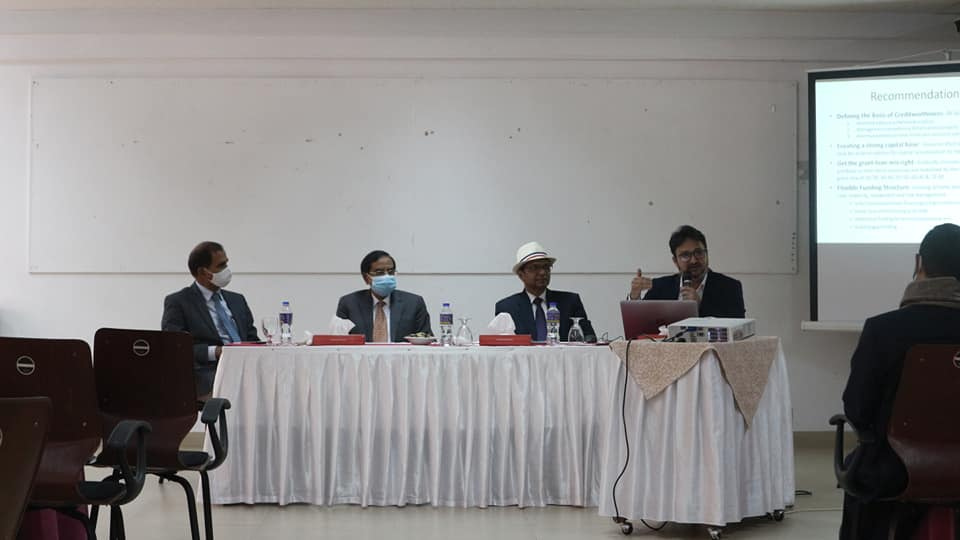
Photographs from IP3’s briefings and workshops. The GIS workshop and the financial-statistics presentation are from the founder’s work at SANEM, before IP3. Captions say only what each photo shows.
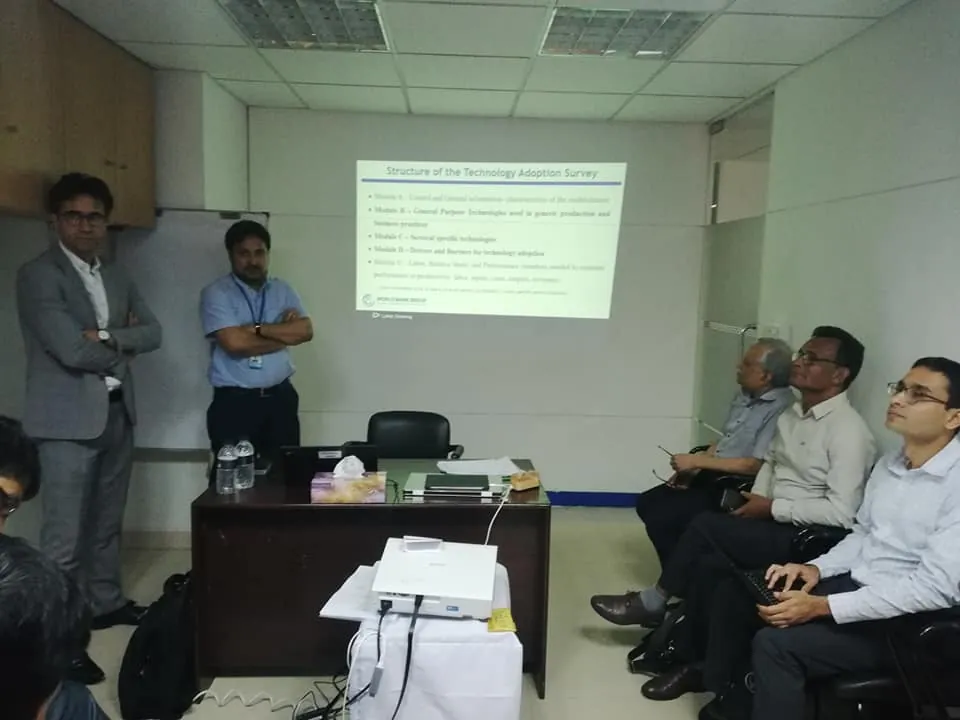
Photo 01Briefing on the structure of a technology adoption survey (World Bank Group slide) 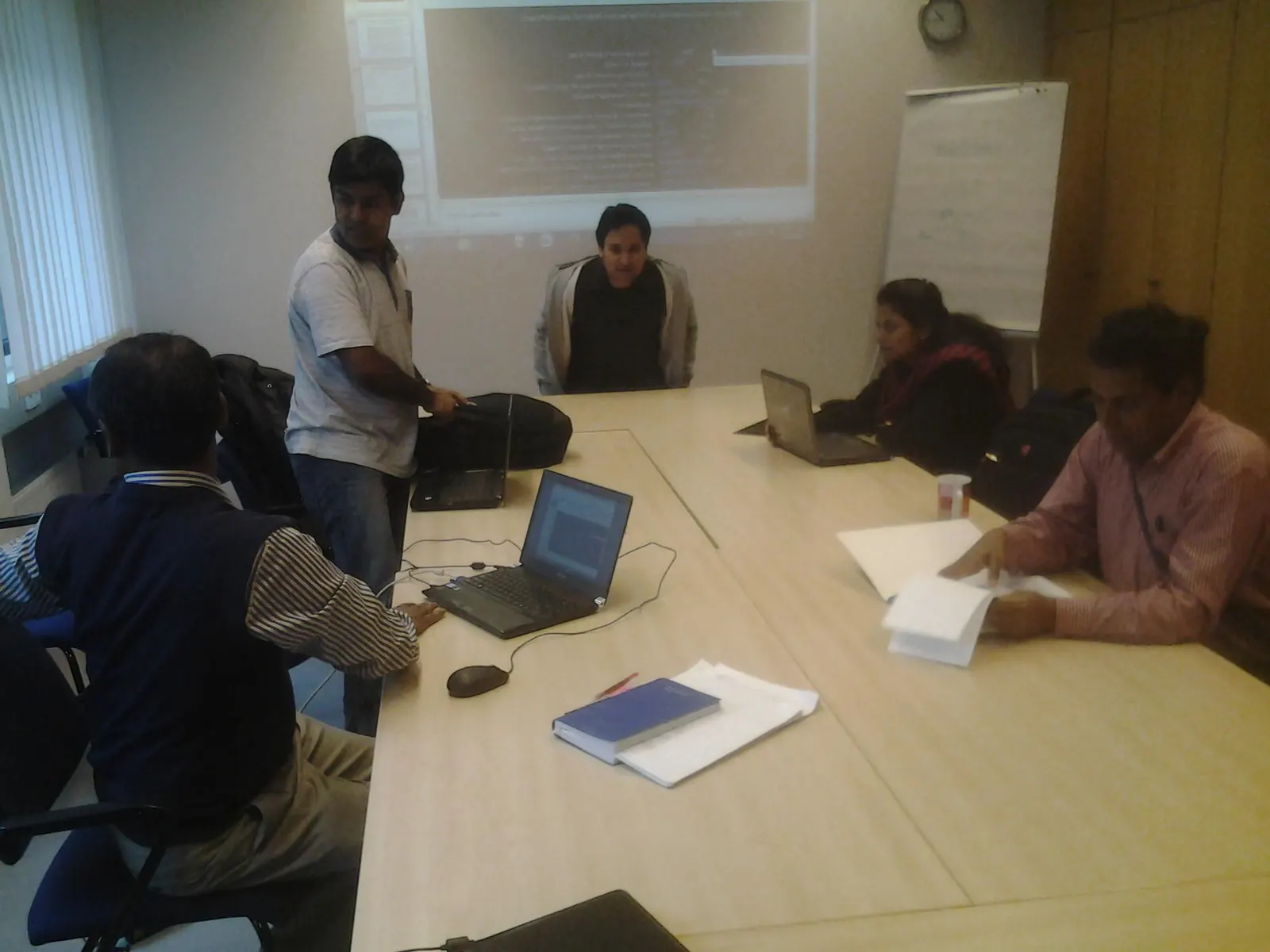
Photo 02A working session with laptops, 2013 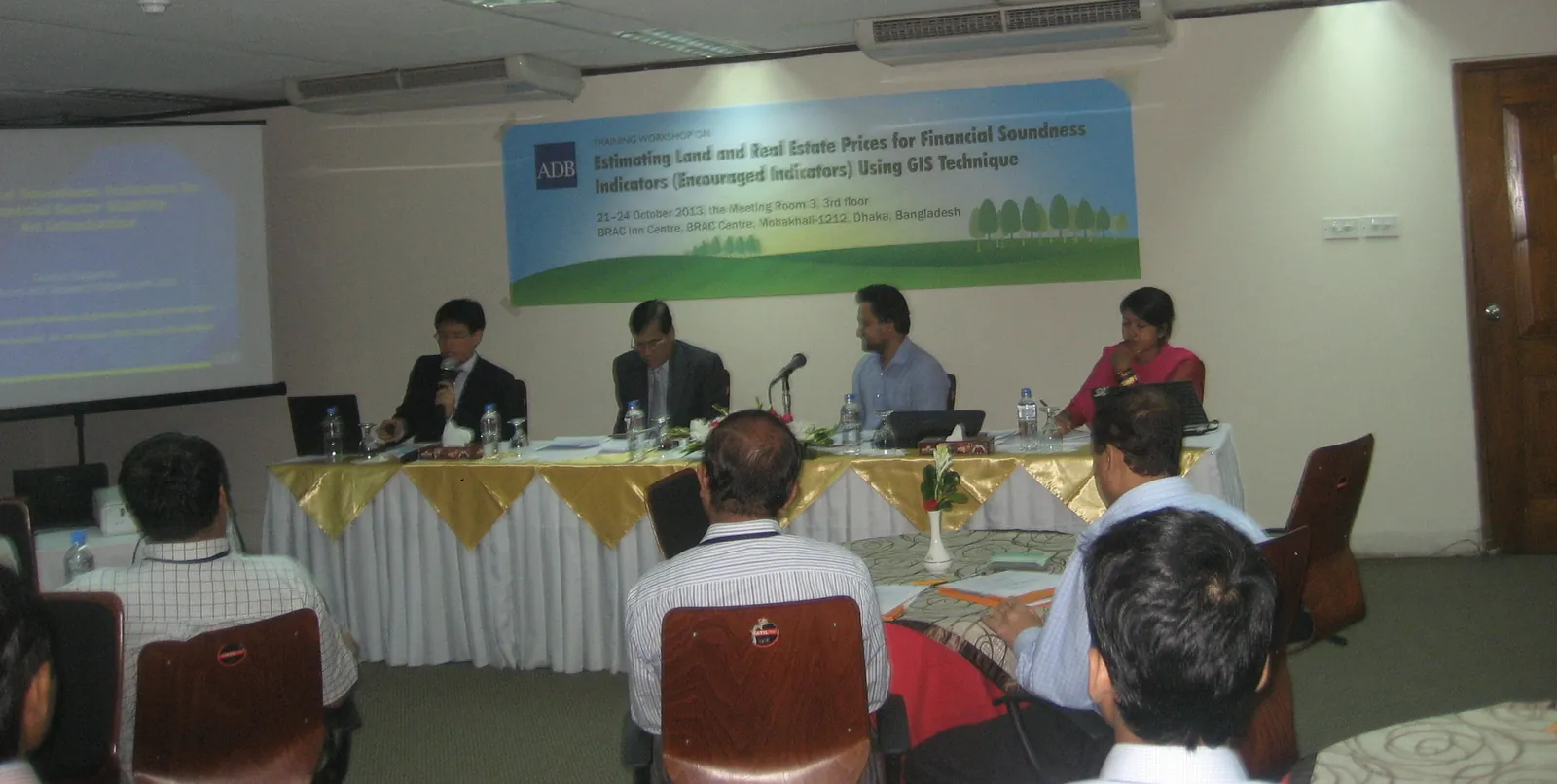
Photo 03GIS training workshop on financial soundness indicators (ADB banner), Dhaka, 2013 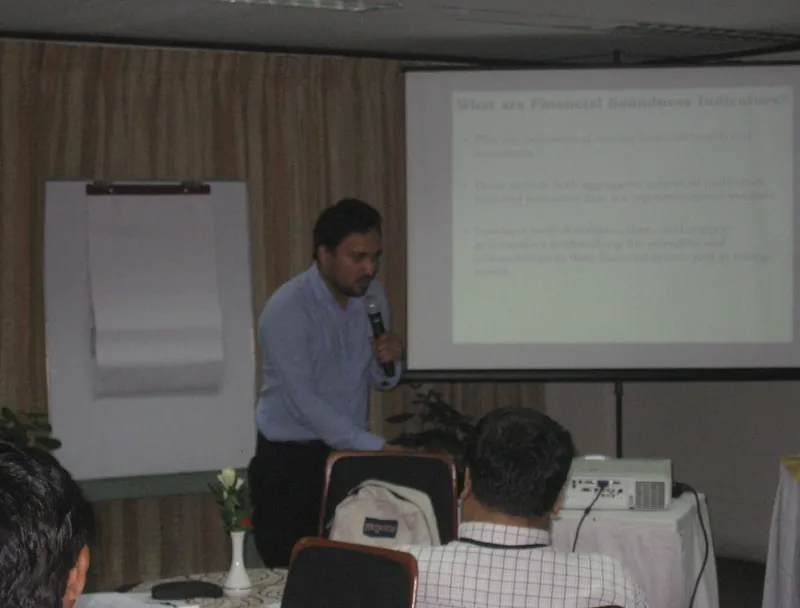
Photo 04Presentation on financial soundness indicators
Data and digital assignments, as documented.
Each record comes from the founder’s signed CV and portfolio, with the CV’s dates. The financial-soundness work was led at SANEM, before IP3, and is shown as the founder’s experience.
04 documented assignments
-
01June 2020 – December 2021
The World Bank
Bangladesh Digital and Informality Survey 2021
Bangladesh Digital and Informality Survey 2021 Questionnaire and survey design, survey programming and data analysis for the World Bank’s Bangladesh Digital and Informality Survey 2021. Open the full record -
02June 2020 – December 2021
The World Bank (EFI-SAR-FCI)
Covid-19 Impact Assessment — Business Pulse Survey 2020
Covid-19 impact assessment — Business Pulse Survey 2020 Survey materials, implementation and data quality control for the World Bank’s Covid-19 Business Pulse Survey 2020 in Bangladesh. Open the full record -
03Mar 2020 – Jun 2022
The World Bank and a joint team of the World Trade Organization
Global Services Trade Policy Database and Index
Putting services-trade rules into data. Bangladesh entries for the World Bank–WTO Global Services Trade Policy Database and Index, compiled from regulatory desk research and interviews. Open the full record -
042014 – 2015
Asian Development Bank
Strengthening Institutional Capacity to Compile and Analyze Financial Soundness Indicators
Making a banking system legible to its regulator. National consultant on ADB’s regional technical assistance for financial soundness indicators: balance-sheet data for 400 non-financial corporations and indicator guidelines for Bangladesh Bank and the Bangladesh Bureau of Statistics. 400 non-financial corporations’ balance sheets Open the full record
Where we add value.
- 01DPI diagnostics
- 02Digital-government strategy
- 03Data governance & interoperability
- 04Digital inclusion
- 05Service transformation
IP3 brings economics, finance, institutional analysis, technology and implementation expertise together around this sector — so that analysis arrives as a decision, and a decision as delivery.
The capabilities behind this sector work.
Data, Digital & Responsible AI
We need to modernize systems without creating new governance, exclusion or accountability risks.
04Institutions, Governance & Delivery
A policy exists, but institutions cannot implement it consistently.
02Program & Project Design
We have a mandate or funding window but need an implementable program.
05Monitoring, Evaluation, Learning & Impact
We need to know what is working, why, for whom, and whether it can scale.
Selected work in this sector.
Capabilities applied
- Data, Digital & Responsible AIDigital government strategy, data governance, digital public infrastructure and AI readiness.
- Institutions, Governance & DeliveryInstitutional diagnostics, public financial management reform and change-management support.
- Program & Project DesignFeasibility, project preparation, theories of change and implementation planning.
- Monitoring, Evaluation, Learning & ImpactBaseline and endline studies, process and impact evaluations, and MEL systems.
Explore analytical questions in this sector
Illustrative models show how analytical questions can be explored through interactive scenarios and visual outputs.
Tell us the mandate you need to deliver.
Whether you are preparing a new program, assessing an investment, designing a reform, commissioning an evaluation or assembling a consortium, IP3 can help define the analytical and implementation support required.